Obscured glass is everywhere in the modern Indian home — the bathroom window that lets light in without the view out, the office cabin that feels open but not exposed, the pooja-room shutter, the partition between a living and dining area, the front-door sidelight. Two very different products deliver that same frosted look, and they are constantly confused: acid-etched glass, where the surface of the glass itself is permanently frosted, and frosted film, where a thin adhesive sheet is stuck onto ordinary clear glass. From a metre away on the day of installation they can look identical. A year later, and across their whole lives, they behave nothing alike.
The confusion costs money in both directions. Buyers pay for solid acid-etched glass when a removable film would have done a temporary or rented job perfectly; or they accept cheap film on a wet, heavily used shower screen where it peels and curls within a season and has to be redone. The two are not better and worse; they are a permanent finish and a reversible one, with different strengths on durability, cleaning, cost and flexibility. Choosing well means knowing which of those strengths the specific location needs.
This article pins down exactly how each is made, how they differ in use, and where each belongs in an Indian home: the manufacturing difference, performance on durability, privacy level, cleaning and moisture, the places each suits, and indicative October 2026 costs. It also places both against the third option people mix them up with — sandblasted glass — so the whole family of frosted finishes is clear.
How each is made: the difference that matters
Acid-etched glass is made by treating the surface of float glass with an acid that micro-etches it into a fine, even, matt texture. The frosting is the glass itself — millions of tiny pits in the surface — so it is permanent, uniform across the whole sheet, and cannot peel, bubble or be scratched off, because there is nothing stuck on to come away. The result is a smooth satin face, often smoother to the touch than sandblasted glass, that diffuses light softly and hides fingerprints better than a glossy surface. It is produced in the factory and comes as a finished sheet, cut and, where needed, toughened before the etch is applied.
Frosted film is the opposite in principle: the glass stays clear and a thin self-adhesive polymer film, frosted on its face, is applied to one side. The film does the obscuring; the glass is just the carrier. Because it is an applied layer, it can be put onto existing clear glass already installed, cut to patterns and logos, and — its great advantage — peeled off again later with no damage to the glass. Its weaknesses are the weaknesses of any stuck-on film: the edges can lift, bubbles and dust can be trapped during application, it scratches more easily than etched glass, and in wet or heavily cleaned areas the adhesion is tested over time.
A short history of obscured glass
People have wanted glass that gives light without a view for as long as they have had glass. Early obscured glass was made by rolling patterns into the sheet or by casting it rough, giving the textured "cathedral" and patterned glasses still seen in old doors and fanlights. Acid etching of glass developed in the nineteenth century, when decorative etched and embossed glass became a signature of Victorian pubs, shopfronts and screens, the acid cutting frosted patterns and clear highlights into the same sheet. Sandblasting, which frosts glass by firing abrasive grit at it, came later and gave a quicker, cheaper matt finish.
Adhesive window film is a far more recent arrival, a product of modern polymers and the self-adhesive vinyl industry, and it reached Indian homes and offices as a fast, low-cost way to add privacy to glass already in place. Its growth has been driven by rented and commercial spaces, where a reversible finish that leaves the landlord's glass untouched is exactly what is wanted, and by the ease of cutting it into logos, gradients and patterns. The two technologies now sit side by side in every glazier's offering, and the buyer's task is to match the right one to the job.
It is worth placing the two in the whole family of obscured glazing, because buyers often meet a confusing spread of names at the glazier. The oldest obscured glasses are rolled and patterned sheets — cathedral, reeded and figured glass — where the texture is formed into the molten sheet. Then come the permanently frosted surface finishes, acid-etched and sandblasted, where the face of a plain sheet is matted. Last is applied frosted film, which adds the effect to clear glass without changing the glass at all. The table below sets the main obscured options against one another so the words stop overlapping, after which the rest of the article concentrates on the two that most Indian buyers actually choose between — acid-etched glass and frosted film.
| Finish | How it is made | Permanent? | Feel / face |
|---|---|---|---|
| Acid-etched glass | Glass surface micro-etched by acid | Permanent | Fine, smooth satin |
| Sandblasted glass | Glass surface roughened by grit | Permanent | Coarser, shows marks more |
| Frosted film | Adhesive frosted layer on clear glass | Removable | A stuck-on layer |
| Rolled / patterned glass | Texture rolled into the molten sheet | Permanent | Moulded pattern, not flat |
How they compare in use
On durability, acid-etched glass is in a different class: it is as hard-wearing as the glass itself and will outlast the film many times over, with no edges to lift and nothing to scratch off. Film is durable enough for dry, low-traffic glass but is vulnerable at its edges and face, especially where it is cleaned hard or meets water. On cleaning, etched glass wipes like any glass, though a good quality anti-stain etched product resists the watermarks that cheaper etched surfaces can show; film must be cleaned gently to avoid lifting its edges or scratching it, and harsh scrubbing shortens its life.
On moisture, etched glass is unaffected — it is ideal for bathrooms, shower screens and wet areas — while film's adhesion is its weak point in constant damp, so film on a shower is a short-term solution at best. On feel and finish, etched glass has a smooth, premium satin face and a seamless appearance, whereas film can show application flaws — bubbles, trapped dust, a visible edge line — and reads slightly less refined up close. On flexibility, film wins outright: it goes onto existing glass, comes off cleanly, and suits patterns, gradients and temporary privacy that etched glass cannot match without replacing the pane.
| Feature | Acid-etched glass | Frosted film |
|---|---|---|
| What is frosted | The glass surface itself | An applied adhesive layer |
| Permanence | Permanent, cannot peel | Removable, can peel or bubble |
| Durability | As hard-wearing as glass | Moderate; edges and face vulnerable |
| Moisture / wet areas | Excellent | Weak over time |
| Patterns and logos | Limited, done at factory | Easy, cut to any shape |
| Retrofit to existing glass | No, replace the pane | Yes, onto glass in place |
Where acid-etched glass wins, and where film does
Acid-etched glass earns its higher cost wherever the finish must last and the location is wet or heavily used: shower screens and bathroom windows, where film would peel; fixed partitions and shopfronts, where a premium seamless face matters; doors and shutters that are touched constantly; and any permanent architectural element that will not be changed for years. Its smooth satin face and permanence make it the specification for a finished, long-term home.
Frosted film is the smarter pick where the requirement is temporary, reversible, patterned or budget-led: rented flats and offices where the glass must be handed back clean; existing clear windows that need privacy added without replacement; logos, gradients and decorative patterns on office glass; and quick fixes where a new frosted pane cannot be justified. Film is not a cheap imitation to be apologised for; it is the correct tool when flexibility and reversibility are the priority. The mistake is only using it where permanence and moisture resistance are what the location actually needs.
| Location | Recommended | Why |
|---|---|---|
| Shower screen / wet area | Acid-etched glass | Film peels in constant damp |
| Bathroom window | Acid-etched glass | Permanent, moisture-proof privacy |
| Rented flat or office | Frosted film | Removable, leaves glass untouched |
| Office glass with logo / pattern | Frosted film | Cut to any shape cheaply |
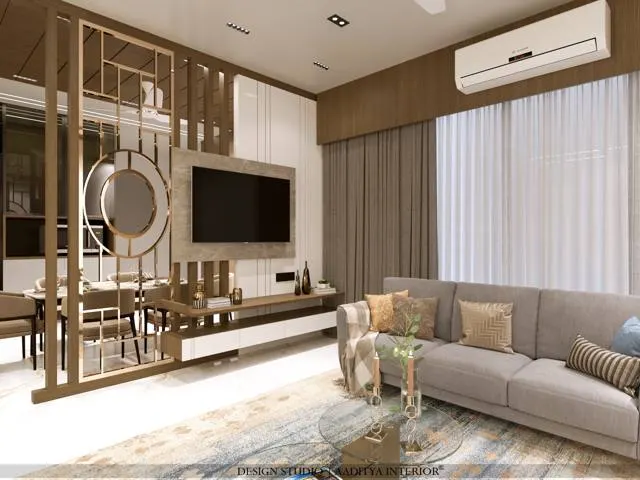
| Fixed living-dining partition | Acid-etched glass | Premium, seamless, lasting face |
| Quick privacy on existing window | Frosted film | No replacement needed |
Privacy, light and safety
Neither product gives total blackout: both scatter light so that a shape or a strong backlight can still be sensed, and both pass a good amount of daylight, which is usually the point — privacy without darkness. The degree of obscuration varies with the grade: a heavily etched glass or a dense film blurs more than a light one, and a double-sided etch obscures more than a single. For a bathroom, specify a grade that blocks a recognisable view at close range; for a partition meant only to soften a sightline, a lighter obscuration keeps the space feeling open. As a rule, choose the lightest grade that gives the privacy the room genuinely needs, since every step denser also costs a little daylight.
Safety glazing is a separate and important point that applies to the glass, not the frosting. In doors, low-level glazing, shower screens and large panes, the glass should be toughened (tempered) or laminated safety glass regardless of whether it is etched or filmed, so that it breaks safely. Acid etching is applied to glass that has been toughened first; film can be applied to safety glass and, as a bonus, holds fragments together a little if the pane breaks, though it is not a substitute for proper safety glazing. The frosting choice never overrides the requirement for safety glass where codes call for it.
Indicative costs
Acid-etched glass costs more than clear glass and more than film because the finish is manufactured into the sheet and the glass is usually toughened first. Frosted film is the cheaper way to obscure a given pane, with the cost in the film and the labour of a clean application rather than in the glass. The figures below are indicative October 2026 supply-and-fix ranges in metro and tier-2 cities for residential-grade work, and vary with glass thickness, toughening, film quality and area; they should be confirmed with a local glazier before budgeting, especially as very small jobs carry minimum charges that raise the effective rate.
| Option | Spec | Indicative cost (Oct 2026) | Note |
|---|---|---|---|
| Acid-etched glass | 8-10 mm toughened, supplied and fixed | ₹250-600 per sq ft | Permanent, wet-area safe |
| Sandblasted glass | 8-10 mm toughened | ₹200-500 per sq ft | Slightly coarser, shows marks more |
| Frosted film (plain) | Applied to existing glass | ₹60-200 per sq ft | Removable, labour included |
| Frosted film (pattern / logo) | Cut vinyl, applied | ₹150-400 per sq ft | Any shape, dearer for detail |
| Clear toughened glass (base) | 8-10 mm | ₹150-350 per sq ft | For reference, before frosting |
| Film re-do / removal | Strip and reapply | ₹40-150 per sq ft | Film's reversibility in practice |
Where obscured glass is going
The frosted-glass family is being joined, not replaced, by newer options. Switchable "smart" glass that turns from clear to opaque at the touch of a switch is reaching premium Indian homes for cabins and bathrooms, offering privacy on demand rather than permanently. Better anti-stain acid-etched products resist the watermarking that used to be the finish's weak point. And film has improved, with more durable, bubble-resistant and decorative grades that extend where a reversible finish is sensible. None of this changes the basic choice for most homes, which remains between a permanent etched finish and a removable film.
What stays constant is the question behind the choice: does this location want a finish for life or a finish for now? Acid-etched glass answers the first, with permanence, moisture resistance and a smooth premium face; frosted film answers the second, with low cost, reversibility and freedom of pattern. Matching the product to that answer — rather than to a photograph or a price alone — is the whole of specifying obscured glass well, and it is the habit Aaditya Interior applies on every partition and screen.
Eight rules for specifying obscured glass
- Decide first whether the finish must be permanent or can be removable; that single question usually settles etched versus film.
- Use acid-etched (or sandblasted) glass in wet areas and heavily used spots where film would peel.
- Use frosted film for rented spaces, patterns and logos, and to add privacy to glass already installed.
- Specify toughened or laminated safety glass in doors, low glazing and shower screens, whatever the frosting.
- Match the obscuration grade to the need: dense for bathrooms, lighter for partitions meant to stay open-feeling.
- Prefer an anti-stain acid-etched product to avoid watermarking on frequently cleaned glass.
- Insist on a clean, bubble-free film application and tight edges, and clean film gently afterwards.
- Remember neither gives full blackout; for total privacy at night, add a blind or curtain as well.
Frequently asked questions
Is acid-etched glass better than frosted film?
Not better in every case, but longer-lasting and moisture-proof. Acid-etched glass is the right choice where the finish must be permanent and the area is wet or heavily used, such as bathrooms and shower screens. Frosted film is the right choice where reversibility, low cost or patterns matter, such as rented offices and existing windows. The question is permanent finish versus removable one, not quality.
Does frosted film peel off in bathrooms?
Over time, often yes, because constant damp and hard cleaning test the film's adhesion, especially at the edges. For a shower screen or a bathroom window that will be wet daily, acid-etched or sandblasted glass is the durable answer. Film can be used on a dry bathroom window short-term, but it is not a long-term wet-area finish.
What is the difference between acid-etched and sandblasted glass?
Both permanently frost the glass surface, but acid etching gives a finer, smoother, more uniform satin face that resists fingerprints, while sandblasting fires grit at the glass for a slightly coarser texture that shows marks and watermarks more. Sandblasting is usually a little cheaper and good for stencilled patterns; acid-etched is the smoother premium finish. Both are moisture-proof, unlike film.
Can frosted film be removed without damaging the glass?
Yes; that reversibility is film's main advantage. A film can be peeled off and any adhesive residue cleaned away, leaving the clear glass undamaged, which is why it suits rented and temporary spaces. Acid-etched glass, by contrast, is permanent, so changing it means replacing the pane. If a finish may need to come off later, film is the sensible choice.
Does obscured glass give complete privacy?
No. Both etched glass and film scatter light rather than block it, so a silhouette or a strong backlight can still be sensed and neither gives full blackout. For daytime privacy from normal viewing distances they work well; for complete privacy at night, when interior light makes shapes more visible, add a blind or curtain. The obscuration grade can be chosen denser for more privacy.
Sources & standards
- Bureau of Indian Standards — IS 2835 (flat transparent sheet glass) and IS 14900 (transparent float glass) for base glass
- Bureau of Indian Standards — IS 2553 (safety glass: toughened and laminated) for glazing in doors, low level and wet areas
- National Building Code of India 2016, Part 6, Section 8 (Glass and Glazing) — safety glazing requirements
- Ernst Neufert, Architects' Data — glass types, obscured and decorative glazing
- Manufacturer technical data for acid-etched, sandblasted and adhesive window films, described generically
- Price ranges: indicative October 2026 estimates for supply and fixing — confirm with a local glazier before budgeting