Switch the lights off and it reads as a quiet cream stone wall. Switch them on and the same wall turns to honey — veins lighting up from within, the whole surface glowing as if lit by candlelight behind alabaster. That transformation is the entire appeal of a backlit onyx or translucent stone panel, and it is also where most of them go wrong: done carelessly, the glow is a patchwork of bright and dark bands, with the hard dots of individual LEDs showing through like streetlights behind a curtain.
A backlit stone panel is not a slab with a light behind it. It is a designed assembly — a thin, translucent stone face, a rigid backing that both supports the stone and spreads light, an even field of LEDs at a calculated distance, and a sealed, ventilated box behind. Each of those layers has to be specified: which stone actually passes light, how thick it can be, what it is laminated to, how deep the cavity must be so the light is even, and how the porous stone is protected from heat and moisture. This guide works through all of it, from the physics of light through stone to the costs and the detailing rules, and it is firmly a job for professional fabrication, not a site experiment.
What makes a stone translucent
Light passes through stone for the same reason it passes through frosted glass: the material is made of crystals that scatter and transmit light rather than block it completely. Onyx and many marbles are calcareous stones — largely calcium carbonate — with a crystalline structure that lets light travel a short distance into the stone before it is scattered back out, which is why a thin slice glows while a thick block stays opaque. The thinner the stone and the more even its structure, the more it transmits; dense, dark or heavily mineral-stained stones barely pass light at all. Translucency is therefore a property to test slab by slab, by holding a light behind a sample, not assumed from the stone's name.
Thickness is the master control. A 20 mm onyx slab is essentially opaque; the same onyx sliced to 10 mm glows softly, and at around 6–8 mm, bonded to a backing for strength, it lights up fully. This is the central tension of the material: the stone must be thin enough to pass light yet is then too fragile to stand alone, which is exactly why lamination to glass or acrylic is not optional. The table later in this article sets out the practical thicknesses for each material.
The materials: real stone to resin imitation
Four quite different products are sold under the loose heading "backlit stone", and they are not interchangeable in cost, look or honesty. True natural onyx is the luxury original: dramatic, unrepeatable veining that lights up with real depth, at a real price. Backlit marble — white and cream marbles, and translucent varieties — gives a softer, cloudier glow. Translucent stone veneer is a thin (1–2 mm) layer of real stone bonded to a translucent backing sheet, light and affordable, made specifically for backlighting. And at the bottom sit resin and acrylic faux-onyx sheets — printed or cast imitations that glow evenly and cost little, but have none of the depth of real stone. The table compares them.
| Material | What it is | Translucency / look | Indicative installed cost (₹/sq ft) | Best for |
|---|---|---|---|---|
| Natural onyx (slab) | Real onyx, sliced thin and laminated | Deep, dramatic, unrepeatable veins | ₹1,500 – 4,500+ | Statement feature walls, bar backs, reception |
| Backlit marble (slab) | White / cream / translucent marble, laminated | Soft, cloudy, even glow | ₹1,200 – 3,500 | Calm feature walls, pooja backdrops, counters |
| Translucent stone veneer | 1–2 mm real stone on a translucent backing | Lighter, more uniform than slab | ₹1,000 – 2,100 | Panels, bars, columns, budget backlighting |
| Resin / acrylic faux onyx | Cast or printed imitation sheet | Even but flat; no real depth | ₹350 – 900 | Large areas on a tight budget, ceilings |
How a backlit panel is built
Every good backlit panel is the same sandwich, and understanding the layers is the key to specifying one. From front to back: the translucent stone face; a rigid translucent backing (usually toughened or laminated glass, or acrylic) that the thin stone is bonded to for strength and that helps spread light; an air cavity of a calculated depth; an even field of LED strips or panels on the back wall of the cavity, often with a diffuser sheet in front of them; and finally a sealed, lightly ventilated box fixed to the wall or frame. Power supply (drivers) and access for future LED replacement are planned into the box, because opening a finished stone panel later is destructive.
Getting an even glow: the lighting
The commonest failure of a backlit panel is uneven light — bright stripes over the LED rows, dark bands between them, and visible dots where a strip sits too close to the stone. The cure is geometry and diffusion, not more light. The LEDs must sit far enough back that their individual cones overlap before they reach the stone, which in practice means an air cavity of roughly 50–100 mm for strip LEDs; a diffuser sheet in front of the LEDs smooths what is left. Edge-lit panels, where light enters from the sides into a guide plate, can be far slimmer but are better suited to smaller or veneer panels. For large walls, an evenly spaced grid of strips at the right depth, behind a diffuser, is the reliable approach.
Colour matters as much as evenness. A warm white of around 2700–3000 K flatters cream and honey stones and reads as candlelight; a neutral 4000 K can make a warm onyx look sickly. A high colour-rendering index (CRI 90 or above) keeps the veins looking natural rather than washed out. And the whole panel should be on a dimmer: the glow is a mood, not task light, and the ability to take it from a soft evening wash to a brighter daytime presence is half of why the material is worth the trouble.
Lamination and safety
Because the stone must be thin to glow, it is weak, brittle and — if it ever cracked overhead or on a tall wall — potentially dangerous. The answer is lamination: the thin stone is bonded, usually with a clear resin or an interlayer, to a rigid translucent backing. Toughened or laminated glass is the premium backing, strong and fire-safe; clear acrylic is lighter and cheaper but softer and scratches more easily. Lamination does three jobs at once: it carries the structural load so the stone does not have to, it holds the fragments if the stone ever cracks (as a laminated interlayer holds glass), and it adds a layer that helps diffuse the light. For any panel above head height, on a ceiling, or as a counter, a glass backing and a proper fixing to a frame — never thin stone stuck straight to a wall — are the safe, professional detail.
Sealing and protecting the stone
Onyx and most backlit marbles are calcareous — soft, porous and reactive to acids — so they need protecting, especially where they are touched or get wet. A penetrating impregnating sealer reduces staining from oils, drinks and fingerprints and should be reapplied periodically; acidic cleaners such as lemon, vinegar or harsh bathroom chemicals must be kept away, because they etch the polished surface into a dull mark. Heat is the other quiet enemy: the LEDs behind the panel generate warmth, and a sealed box with no ventilation can cook both the stone and the LEDs, shortening their life and, over time, discolouring resin bonds. A lightly ventilated cavity and good-quality, cool-running LEDs on proper drivers are part of protecting the stone, not just lighting it. On a bar top or washbasin counter, the exposure is harsher still, and a glass or quartz wear-surface over the lit stone is often the right answer.
| Layer | Typical specification | Role |
|---|---|---|
| Stone face | 6–12 mm slab, or 1–2 mm veneer | The translucent, visible surface |
| Backing | 6–10 mm toughened / laminated glass, or acrylic | Strength, safety, light diffusion |
| Bond | Clear resin or interlayer | Laminates stone to backing; holds fragments |
| Air cavity | 50–100 mm (strip LEDs) | Lets light fields overlap evenly |
| Diffuser | Opal acrylic / polycarbonate sheet | Smooths LED dots into an even glow |
| LED field | Warm white 2700–3000 K, CRI ≥ 90, dimmable | The light source; drivers mounted outside |
| Box | Sealed but lightly vented, with access | Houses LEDs; releases heat; allows service |
| Care point | Do | Avoid |
|---|---|---|
| Sealing | Apply a penetrating impregnating sealer; reapply periodically | Leaving porous onyx or marble unsealed near water |
| Cleaning | Wipe with a soft damp cloth and pH-neutral cleaner | Lemon, vinegar or acidic / abrasive cleaners that etch |
| Heat | Keep LEDs cool and the cavity lightly vented | Sealing the box airtight so heat builds up |
| Spills | Blot drinks, oil and food quickly | Letting coloured liquids sit on the stone |
| Wear surface | Add glass or quartz over lit stone on bars and vanities | Using soft lit stone as a hard-working worktop |
Where backlit panels work in Indian homes
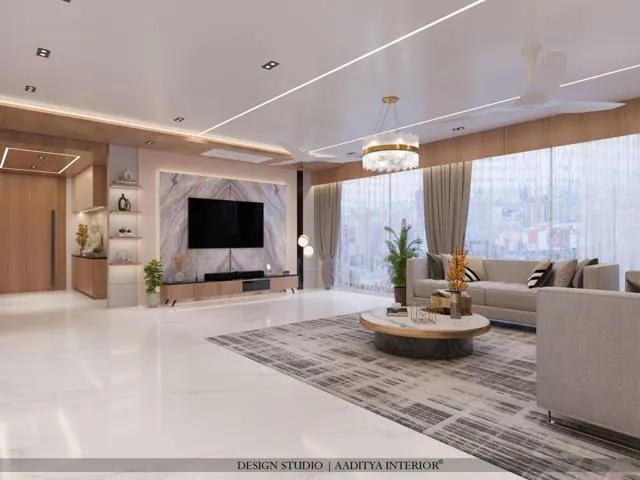
A backlit stone panel is a jewel, and like a jewel it works best used once per room, not everywhere. The reliable places are a living-room TV or feature wall, where the glow frames the television after dark; a reception or lobby wall in a home or office; a bar back, where lit stone behind the bottles is pure hospitality drama; a pooja or mandir backdrop, where the soft light suits the mood; a washbasin or vanity counter in a powder room; and a wrapped column or a headboard in a premium bedroom. In every case the panel should be the quiet default off and the drama on — which is why it belongs on a dimmer and usually on its own switch.
What it costs
Backlit stone is priced as a built assembly, not as a slab, because the glass backing, the lit box, the LEDs and the fabrication cost as much as the stone on cheaper panels. The ranges below are indicative October 2026 figures for a finished, installed panel per square foot, including the stone, backing, LED field and frame; dramatic natural onyx and large seamless panels sit at the top, and the figures should be confirmed against a slab-specific quote because onyx is sold slab by slab.
| Build type | Indicative installed cost (₹/sq ft) | Notes |
|---|---|---|
| Translucent stone veneer, backlit | ₹1,000 – 2,100 | Includes the light box and frame; lightest option |
| Backlit marble on glass | ₹1,200 – 3,500 | Cream/white marble; softer glow |
| Natural onyx on glass, backlit | ₹1,500 – 4,500+ | Slab-specific; veining drives the price |
| Resin / acrylic faux-onyx, backlit | ₹350 – 900 | Budget large areas; flat look up close |
| LED field + driver (if quoted separately) | ₹150 – 300 per running ft | Strip, diffuser and driver for the lit box |
Where it is going
Two shifts are visible. The first is that translucent stone veneer and better faux-onyx sheets are bringing the look down in price and weight, so the glowing wall that was once only in hotels now turns up in ordinary flats and shop fit-outs. The second is smarter light: tunable-white and colour LEDs on app or scene control let the same onyx wall shift from a warm evening glow to a cooler daytime presence, and edge-lit guide plates are making panels slimmer, so a lit stone surface can sit where a thick box never could — a slender headboard, a counter front, a lift lobby. What does not change is the discipline: translucency tested slab by slab, even light, a laminated backing, a sealed and vented box, and a dimmer.
Rules for a backlit stone panel
- Test translucency slab by slab with a light behind a sample — never assume it from the stone's name.
- Slice the stone thin enough to glow (about 6–12 mm for slab) and always laminate it to glass or acrylic for strength and safety.
- Give strip LEDs a 50–100 mm cavity and a diffuser so the light is even and the dots disappear.
- Choose warm white (2700–3000 K), high CRI (≥ 90) and put the panel on a dimmer and its own switch.
- Keep drivers outside the box and leave an access panel — the LEDs are the part most likely to need replacing.
- Seal the porous stone, keep acidic cleaners away, and ventilate the cavity so LED heat does not cook the stone or the strips.
- Use glass backing and a proper frame for anything overhead, on a ceiling, or as a counter — never thin stone stuck flat to a wall.
- Use real stone on the one wall people stand next to; keep imitations for ceilings or far surfaces.
Frequently asked questions
Which stones can actually be backlit?
Onyx is the classic because its crystalline, often banded structure transmits light with real depth. Many white and cream marbles, and some translucent quartzites and alabasters, also glow softly. Dense, dark or heavily mineralised stones barely pass light. The only reliable test is to hold a light behind a thin sample of the actual slab — translucency varies not just by stone type but slab to slab.
How thick should the onyx be for backlighting?
For a slab panel, roughly 6–12 mm: thin enough to transmit light, then laminated to a glass or acrylic backing for strength. Below about 6 mm the stone is very fragile; above about 12 mm it starts to go opaque. Translucent stone veneer takes a different route — a 1–2 mm layer of real stone on a translucent backing, made specifically to glow.
Why does my backlit panel show bright spots and dark bands?
Because the LEDs sit too close to the stone, so their light cones do not overlap before they reach it, and there is no diffuser to smooth them. The fix is a deeper cavity (about 50–100 mm for strip LEDs), an evenly spaced LED grid, and a diffuser sheet in front of the LEDs. Edge-lit guide plates avoid the problem on smaller panels.
Will the LED heat damage the stone?
It can, if the box is sealed tight with no ventilation and cheap, hot-running LEDs. Good-quality cool LEDs on proper drivers, a lightly vented cavity and drivers mounted outside the box keep temperatures safe for both the stone and the strips. Heat management is part of protecting the panel, not an afterthought.
Is backlit onyx suitable for a kitchen or bathroom counter?
With care. Onyx and marble are soft, porous and acid-sensitive, so a lit stone counter should be sealed and, in wet or acidic situations, protected by a glass or quartz wear-surface over the lit stone. A backlit onyx bar back or a powder-room vanity works well; a hard-working kitchen platform is better in quartz or granite, with the backlit stone kept to a feature wall nearby.
Is it cheaper to use a faux-onyx acrylic sheet?
Much cheaper — about ₹350–900 per sq ft against ₹1,500–4,500+ for natural onyx on glass — and it glows evenly, which makes it useful for large areas, ceilings or far walls. The trade-off is depth: up close, under light, resin and printed sheets read as plastic, with none of the crystal glow of real stone. Use them where the eye never gets close, and keep real stone for the wall people stand beside.
Sources & standards
- Manufacturer technical data for translucent stone veneer and backlit stone panels — layer build-up, thicknesses, backings and adhesives, described generically
- Bureau of Indian Standards — IS 2553 (safety glass) and general guidance on laminated and toughened glass, for the backing and safety detail
- Lighting industry data on LED colour temperature, colour rendering index (CRI) and diffusion, described generically
- Natural stone care references — sealing, acid sensitivity and maintenance of calcareous stones (onyx, marble)
- This site's stone care, stone veneer and feature-wall guides — figures used for consistency
- Price ranges: indicative October 2026 estimates for finished, installed panels — confirm with a slab-specific quote before budgeting