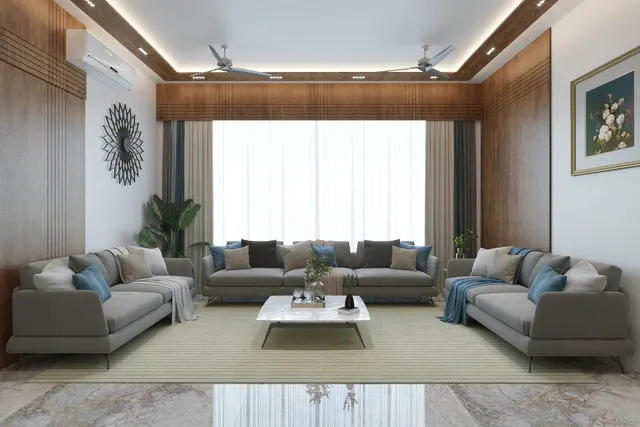
For a generation of Indian homes the word for a hard, shiny paint was simply enamel. The grille on the window, the main gate, the wooden door and its frame, the kitchen shelf, the cycle and the almirah were all finished in the same glossy, hard-wearing coat that came in a tin and was thinned with turpentine. Then water-based paints arrived and swept the walls: today almost every ceiling and wall in a new flat is finished in an acrylic emulsion, which is low in smell, quick to recoat and easy to apply. In that wave it became fashionable to say that oil-based enamel was finished, a relic to be replaced everywhere by water-based products.
That is half right and half a mistake. Water-based emulsions genuinely are the better choice for walls and ceilings, and modern water-based enamels have closed much of the gap on trim. But there remain specific jobs where a traditional oil- or alkyd-based enamel still outperforms its water-based rivals — above all on metal, where its hard, adherent, water-resisting film protects a grille or gate from rust far better than most wall paints; and on hard-used wooden trim and surfaces that must be scrubbed, where its toughness and washability earn their place. Knowing where enamel still wins, and where it should give way, is the difference between a finish that lasts and one that fails.
This guide sets out what enamel paint actually is, how oil-based and water-based paints compare, and the surfaces where oil-based enamel remains the right answer in an Indian home. It covers the paint system — primer, undercoat and finish — the application that makes or breaks an enamel job, the sheen levels available, the practical and safety considerations around solvents and drying, and indicative October 2026 costs. It is written for the homeowner deciding what to put on a gate or a door, and it treats the choice as a matter of the surface and the wear, not of fashion.
What enamel paint actually is
Enamel is not a single chemical but a family of paints defined by their result: a hard, smooth, glossy film that resembles vitreous enamel, from which the name is borrowed. Traditionally this was achieved with an oil-based binder — a drying oil, later a synthetic alkyd resin made from oil — carried in a solvent such as mineral turpentine or white spirit. As the solvent evaporates and the binder reacts with oxygen in the air, the paint cures into a tough, continuous skin that resists water, grease and abrasion and can be washed. This oxidative curing is why an oil-based enamel keeps hardening for days after it feels dry, and why it bonds so well to a smooth, non-porous surface like metal.
Water-based or acrylic paints work differently. Here the binder is a plastic resin suspended as fine particles in water; as the water evaporates the particles fuse, or coalesce, into a film. These paints are low in odour, release far less solvent into the air, dry quickly to recoat, and let brushes be washed in water — all genuine advantages. Over the last decade water-based enamels have appeared that mimic the gloss and washability of oil enamel while keeping those benefits, and they are improving fast. The honest picture today is not oil versus water as good versus bad, but two systems with different strengths, one of which still leads on certain demanding surfaces.
Oil-based versus water-based: the honest comparison
Compared head to head, each system has a clear profile. Oil-based enamel flows out to a harder, smoother, glossier film, adheres superbly to metal and dense timber, resists water and grease, and washes well, which is why it has ruled on gates, grilles and trim. Its costs are a strong solvent smell during and after painting, a long drying and recuring time, a tendency to yellow slightly over years especially in white and in low light, and brushes that must be cleaned in thinner. Water-based paint is low in odour, dries fast, keeps its colour, and cleans up in water, but on bare metal and heavy-wear timber it has historically been less tough and less water-resisting, though the newest waterborne enamels narrow that gap.
The practical upshot is a division of labour. Walls and ceilings belong to water-based emulsion without argument. Large interior areas, children's rooms and anywhere the smell and drying time of solvent paint would be a nuisance lean water-based too. But exposed metal — the gate, the window grille, railings, the gas pipe, outdoor brackets — and surfaces that take real knocks and scrubbing still favour oil-based enamel for its sheer durability and rust resistance, unless a good modern waterborne enamel with the right metal primer is chosen deliberately. The table lays the two side by side.
| Property | Oil-based / alkyd enamel | Water-based paint |
|---|---|---|
| Film hardness & gloss | Harder, higher gloss | Good; newer enamels close in |
| Adhesion to metal | Excellent with primer | Good with the right metal primer |
| Water & grease resistance | Very high | Moderate to high |
| Odour & solvent | Strong solvent smell | Low odour, water clean-up |
| Drying / recoat | Slow, cures over days | Fast, recoat in hours |
| Colour over time | May yellow in white | Holds colour well |
| Clean-up | Thinner / turpentine | Water |
Where oil-based enamel still wins
The clearest win is metal. A window grille, a main gate, a staircase railing or a steel almirah lives in contact with humidity and, outdoors, with rain and dust, and nothing protects it as reliably as a proper enamel system: a rust-inhibiting metal primer (traditionally a red-oxide or zinc-based primer) followed by one or two coats of oil-based enamel, which seal the steel in a hard, continuous, water-resisting skin. On a gate that must shrug off monsoon after monsoon, this system remains the dependable default, and it is why painters across India still reach for enamel for metalwork even as they use emulsion everywhere else.
The second win is high-wear wood and trim. A wooden main door, a window frame, a skirting that is scuffed by feet, a kitchen shelf that is wiped daily, a handrail gripped a hundred times a day — these take abrasion and cleaning that a soft wall paint cannot survive, and the hardness and washability of enamel pay off. The third win is any surface that must be scrubbed: trim in a kitchen or bathroom, a utility shelf, a servant-stair handrail. Where a hard, glossy, cleanable, water-resisting coat is the whole point, oil-based enamel still leads — provided it is applied over the right primer and given time to cure.
| Surface | Recommended | System | Why |
|---|---|---|---|
| Window grille, gate, railing | Oil-based enamel | Metal primer + 1–2 enamel coats | Rust resistance, hard film |
| Wooden door & frame | Oil-based enamel | Wood primer + undercoat + enamel | Takes knocks, washable |
| Skirting & trim | Enamel (oil or waterborne) | Primer + enamel | Scuff and clean resistance |
| Kitchen / bath shelf | Oil-based enamel | Primer + enamel | Grease and water resistance |
| Walls & ceilings | Water-based emulsion | Primer + 2 emulsion coats | Low smell, colour hold, area |
| Children's room walls | Water-based (washable) | Primer + washable emulsion | Low odour, wipeable |
Applying enamel so it flows out
Enamel rewards patience and punishes haste more than almost any other finish, because its slow drying both allows it to flow out glass-smooth and gives dust and insects time to settle in it. Surface preparation comes first: the surface is cleaned and de-greased, bare metal is wire-brushed free of rust and primed, bare wood is sealed with a wood primer, knots and holes are filled, and the primer and any undercoat are sanded flat between coats. Enamel laid over a rough, greasy or unprimed surface will never look right however good the paint. The old trade saying that a gloss finish is ninety per cent preparation holds.
Application technique then matters. Enamel is thinned a little if needed with the maker's recommended solvent, loaded onto a good brush, laid on in one direction, spread across, and then lightly tipped off in long strokes in the direction of the grain or the length of the member, leaving it to flow out rather than over-brushing it. Thin coats are better than one thick one, which sags and wrinkles. It is applied in dust-free, moderate conditions, not in a dust storm or in the damp, and each coat is given the full recoat time on the tin — often overnight — before the next. For large flat metal, spraying gives the smoothest result; for a grille or a door, a careful brush and roller still serve well.
| Step | What to do | Why | Typical wait |
|---|---|---|---|
| Prepare | Clean, de-grease, sand, de-rust | Adhesion and smoothness | — |
| Prime | Metal or wood primer as suited | Bond, seal, inhibit rust | Per tin, often overnight |
| Undercoat (wood/trim) | Build and sand flat | Flat base for gloss | Overnight |
| First enamel coat | Thin, laid off in one direction | Even film, no sags | Overnight / per tin |
| Light sand | Key between enamel coats | Grip for the next coat | After full dry |
| Finish enamel coat | Flow out, dust-free | Hard, glossy face | Cures over days |
Sheen, drying, safety and cost
| Sheen | Hardness / wash | Hides flaws | Best for |
|---|---|---|---|
| High gloss | Hardest, most washable | Shows every flaw | Metal, railings, high wear |
| Semi-gloss | Hard, washable | Shows some | Doors, frames, shelves |
| Satin / eggshell | Moderate | Hides more | Trim where a softer look is wanted |
| Matt / flat | Softest, least washable | Hides flaws best | Low-wear trim only |
Enamel comes in a range of sheens, and the choice is both practical and visual. High gloss is the hardest, most washable and most water-resisting, and shows off metalwork, but it also reveals every imperfection in the surface beneath, so it demands the best preparation. Semi-gloss or satin is the usual choice for doors, trim and shelves, washable but more forgiving of a less-than-perfect surface. Eggshell and matt enamels are softer-looking and hide flaws but are less tough and less cleanable. As a rule, the glossier the enamel, the harder-wearing and the less forgiving it is, so the sheen is matched to both the wear and the quality of the surface.
Two cautions deserve plain statement. Oil-based enamels and their solvents give off strong fumes and are flammable, so they are used with good ventilation, away from flame, with rags disposed of safely, and kept away from children — a conservative approach to solvents is always wise, especially indoors, and is one more reason water-based paint suits bedrooms and children's rooms. And enamel's slow cure means a freshly painted door or grille should be left untouched longer than it feels, or it will mark. On cost, as an indicative October 2026 guide, enamel paint runs about ₹250 to 450 per litre covering roughly 100 to 140 square feet per litre per coat, with applied enamel work including labour and primer at roughly ₹25 to 55 per square foot; these are indicative ranges to confirm locally before budgeting.
- Use water-based emulsion for walls and ceilings; reserve oil-based enamel for metal, hard-used wood and scrubbed surfaces.
- On metal, always use a rust-inhibiting primer before enamel; never paint bare steel direct.
- On wood, seal with a wood primer and build with an undercoat, sanding flat between coats.
- Clean, de-grease and key (sand to dull) any old glossy enamel before repainting, or the new coat peels.
- Lay enamel on in thin coats, tipped off in one direction; thin coats beat one thick, sagging coat.
- Give each coat its full recoat time — often overnight — and let the finish cure for days before hard use.
- Match the sheen to the job: high gloss for durability and metal, satin for forgiving trim, matt only for low-wear.
- Paint in dust-free, dry, ventilated conditions, away from flame; keep solvents and rags away from children.
- Prefer a modern waterborne enamel indoors where low odour matters, with the correct primer for the surface.
- Budget enamel at roughly ₹250–450 per litre and about ₹25–55 per sq ft applied, confirmed locally.
Where paint is heading
The direction is unmistakably towards water-based chemistry, driven by health, indoor-air-quality and environmental concerns about the solvents, or volatile organic compounds, that oil-based paints release. Regulations and green-building rating systems increasingly reward low-VOC products, and manufacturers have poured effort into waterborne enamels that aim to match oil enamel's hardness and gloss while cleaning up in water and smelling of almost nothing. These products are now good enough that, with the right primer, they handle much interior trim that once demanded oil enamel, and they will keep improving.
What is unlikely to vanish soon is oil-based enamel's edge on exposed metal in a harsh climate, where its adhesion and water resistance over a rust-inhibiting primer remain hard to beat, and on heavy-wear surfaces where its sheer toughness pays. The sensible reading for a homeowner today is to use the best water-based products wherever they now suffice — all walls, most interior trim, children's rooms — and to keep oil-based enamel for the gate, the grille, the exposed railing and the surfaces that must be scrubbed, applied properly over the right primer. Aaditya Interior specifies on exactly that basis: the surface and its wear decide the paint, not the label.
Frequently asked questions
Is enamel paint oil-based or water-based?
Traditionally enamel means an oil- or alkyd-based paint that cures by reacting with air into a hard, glossy film thinned and cleaned with solvent. In the last decade water-based (waterborne) enamels have appeared that aim for the same hard, glossy, washable finish while cleaning up in water and smelling far less. So enamel now describes a result — a tough, glossy coat — available in both oil-based and water-based forms; the oil-based type still leads on metal and heavy wear.
Which paint is best for metal grilles and gates?
An oil-based enamel over a rust-inhibiting metal primer remains the dependable choice for grilles, gates and railings, because its hard, adherent, water-resisting film protects steel from rust through repeated monsoons better than most wall paints. The system is a red-oxide or zinc-rich metal primer followed by one or two enamel coats. A good modern waterborne metal enamel with the correct primer can also work, but bare steel must never be painted without a primer.
Can you put water-based paint over old oil enamel?
Only with preparation. A new water-based coat will peel off slick old enamel unless the old surface is cleaned, de-greased and sanded dull to give a key, then primed with a suitable primer before the finish coats. This applies to doors, grilles and trim repainted many times; each old coat must be sound and well keyed, or the whole new finish is at risk of flaking.
Why does white enamel turn yellow?
Oil- and alkyd-based enamels can yellow slightly over years, especially in white or pale shades and in places with little daylight, because the oil binder ages and darkens. It is a known trait of the chemistry rather than a fault. Where a pure, non-yellowing white is wanted on interior trim, a good water-based enamel holds its colour better, which is one reason the newer waterborne products are popular indoors.
How long does enamel paint take to dry?
Enamel is touch-dry in a few hours but cures slowly, continuing to harden over days as it reacts with air. Recoat times are typically several hours to overnight depending on the product, temperature and humidity, and a freshly enamelled door or grille should be left untouched well beyond the point where it feels dry, or it marks. Thin coats with full recoat times give the hardest, smoothest result.
Sources & standards
- Bureau of Indian Standards — IS 2932 (enamel, synthetic, exterior), IS 133 (enamel, interior) and IS 2074 (ready-mixed red-oxide/zinc primer)
- Bureau of Indian Standards — IS 427 and related standards for brushing finishes and primers, described generically
- Indian Green Building Council (IGBC) and GRIHA guidance on low-VOC paints and indoor environmental quality
- Ernst Neufert, Architects' Data — paints, finishes and surface preparation
- Manufacturer technical data sheets for synthetic enamel, waterborne enamel and metal primers — coverage and recoat times, described generically
- Price ranges: indicative October 2026 estimates — confirm locally before budgeting