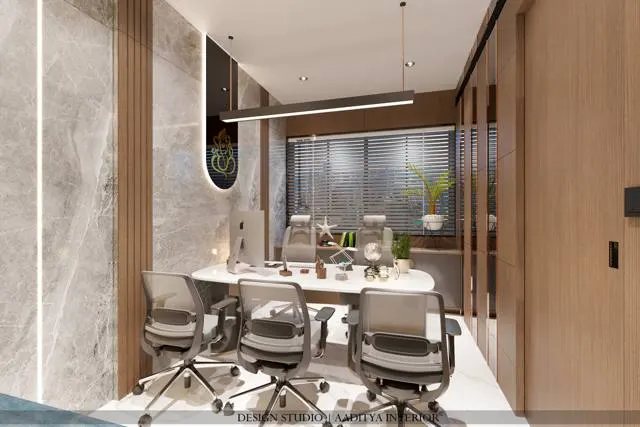
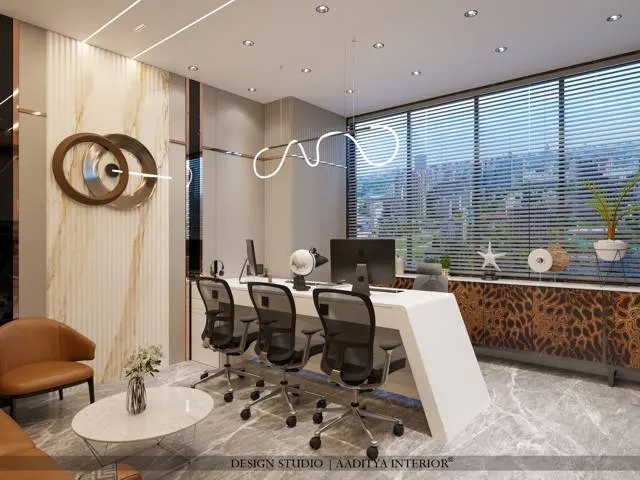
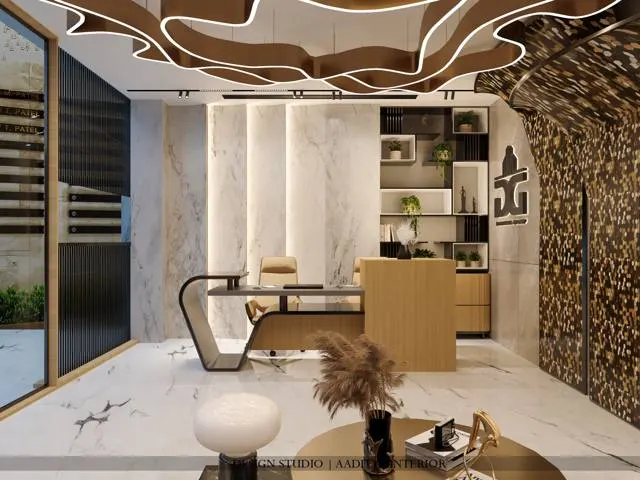
Working from home has turned a corner of the bedroom into an office for millions of Indian households, and with it has come a very old question asked in a new setting: which way should the desk face? Vastu Shastra, the traditional Indian system of architecture and spatial arrangement, has always had answers for the places where people study, work and keep accounts, and families naturally want to carry that guidance into the home office. At the same time, a workspace has hard practical requirements — a comfortable chair, a screen at the right height, daylight that does not glare on the monitor — that come from ergonomics, not tradition. The good news is that the two rarely conflict, and where they seem to, a little planning satisfies both.
It is worth being clear at the outset about what Vastu is and is not. It is a traditional belief system with roots in ancient Indian texts, concerned with orientation, the five elements and the flow of energy through a building. Its guidance is cultural and traditional rather than a matter of measured science, and this article presents it respectfully in that spirit — as guidance that many families value and wish to follow, set alongside the ergonomic and daylight principles that are measurable. A reader who follows Vastu closely and a reader who is sceptical of it can both use this article, because the layout that satisfies the tradition also happens to be, for independent reasons, a comfortable and productive one.
The commonest mistakes are easy to name. A desk is pushed against a window so the worker faces the glass, and the screen glares all afternoon while the back is exposed to the open room. A chair is squeezed into a corner with no room to push back. The home office is parked in whatever space was left over, usually the north-east corner that Vastu would rather keep light and open. This article gives the traditional directions for the room and the desk, the ergonomic dimensions a desk and chair actually need, and a way to reconcile the two in the small spaces most Indian homes can spare. Where a client asks for it, Aaditya Interior plans the workspace to respect Vastu and ergonomics together rather than treating them as rivals.
Vastu in brief, and the directions it uses
Vastu Shastra divides a space by direction and associates each direction with an element and a quality. In the traditional scheme the north-east is linked with water and kept light, clean and open; the south-east with fire; the south-west with earth, stability and weight; and the north-west with air. The north and the east are associated with beneficial light and, for the worker, with mental clarity, which is why so much Vastu guidance for study and work asks a person to face north or east. These associations come from the orientation of the sun across the Indian subcontinent as much as from metaphysics — the morning light comes from the east, the harsh afternoon sun from the west and south-west — so some of the guidance has a practical shadow behind it, which is part of why it reconciles so easily with daylight planning.
For a home office, the tradition gives a consistent picture. The room itself is best placed in the south, west or south-west of the home, the zones of earth and stability, where steady, focused work belongs; the light north-east is traditionally kept for lighter, more open uses. Within the room, the worker should sit so as to face north or east, with a solid wall close behind the back for support, and heavy storage — cupboards, filing, books — placed to the south or west, where weight is welcome. The north-east corner of the room is kept relatively light and uncluttered. The figure sets out this directional picture before the article turns it into a desk layout.
Which way to face, and why it also suits daylight
The central Vastu instruction for a workspace is to face north or east while working, with the back supported by a solid wall rather than a window or an open door. Traditionally this is explained in terms of beneficial energy and concentration. It also, independently, makes ergonomic and daylight sense in Indian conditions. Facing north or east means the worker is not staring into the low, glaring afternoon sun of the west and south-west, and it means daylight tends to arrive from the front or the side rather than from directly behind, where it would silhouette the screen and throw the worker's own shadow onto the work. A solid wall behind the back removes the subtle discomfort of sitting with one's back to a door or an open room — a discomfort that is as much psychological as traditional, and quite real.
The practical rule that satisfies both is simple: place the desk so the worker faces a wall or into the room towards the north or east, with the window to the side. A side window gives even, glare-free daylight across the desk without falling on the screen, and it respects the Vastu preference against facing into a window. Where the room only allows a window in front, a sheer curtain or a blind tames the glare; where the only option is a window behind, the screen will silhouette and the back will be exposed, which both traditions advise against. The figure shows the preferred arrangement with the dimensions a desk actually needs.
| Direction faced | Traditional Vastu view | Daylight and glare note |
|---|---|---|
| North | Favourable for work and study | No direct sun; steady, even light |
| East | Favourable; associated with clarity | Soft morning sun; comfortable |
| West | Less preferred for facing | Harsh afternoon glare if faced directly |
| South | Less preferred for facing | Strong sun; risk of back-lighting the screen |
The desk and chair: the dimensions that decide comfort
Vastu decides orientation; ergonomics decides comfort, and a workspace needs both. A desk for a seated worker should give a working height of about 720 to 760 millimetres from the floor to the top, a depth of 600 to 750 millimetres so the screen can sit an arm's length away, and a width of at least 1200 millimetres, with 1500 more comfortable once a monitor, a keyboard and papers share it. The chair should be adjustable so the thighs sit roughly level with the floor and the feet rest flat, and there must be at least 900 millimetres of clear space behind the desk for the chair to push back and the worker to stand. The screen top should sit at about eye level, which for most people means raising a laptop on a stand and adding a separate keyboard. These figures are independent of Vastu, but they fit comfortably inside the Vastu-preferred layout.
| Element | Recommended dimension (mm) | Why it matters |
|---|---|---|
| Desk working height | 720 – 760 from floor | Forearms rest level; shoulders stay relaxed |
| Desk depth | 600 – 750 | Screen sits an arm's length from the eyes |
| Desk width | 1200 minimum, 1500 comfortable | Room for monitor, keyboard and papers |
| Chair seat height | 400 – 500, adjustable | Thighs level, feet flat on the floor |
| Clear space behind chair | 900 or more | Chair pushes back; worker stands easily |
| Screen top height | At or just below eye level | Neck stays neutral; avoids looking down |
| Knee clearance under desk | 600 wide, 600 deep minimum | Legs move freely; no banging the frame |
Storage follows both the Vastu preference and good sense. Heavy cupboards, filing and books belong against the south or west wall, where the tradition welcomes weight and where, practically, they anchor the room without blocking daylight from the north and east. A small open shelf or a few lighter items can sit to the north-east, keeping that corner relatively light as the tradition asks. Keeping the area in front of and immediately around the chair clear — not using the only circulation space as a store for cartons — is both a Vastu instinct towards an uncluttered working zone and plain ergonomic common sense.
| Activity or item | Preferred zone or facing | Note |
|---|---|---|
| Focused desk work | Sit facing north or east | Solid wall close behind the back |
| Heavy storage | South or west wall | Weight welcomed; kept off the walk path |
| Light shelf or a plant | North-east corner | Keeps that corner light and open |
| Video calls | Face a side or front window | Even light on the face, not from behind |
A few finishing touches serve both traditions. A small plant in the north-east corner keeps that zone light and green as Vastu prefers, and it softens a working corner that can otherwise feel hard. A task lamp on the desk, placed so it lights the work without reflecting in the screen, matters more to the eyes than any directional rule, and it belongs on the side away from the writing hand to avoid casting a shadow. Keeping cables tidy and the desktop clear is, again, both an ergonomic habit and the uncluttered working zone the tradition values — the two systems agree far more often than they differ.
Reconciling Vastu and ergonomics when space is tight
Most Indian homes cannot offer a dedicated south-west room for an office, so the real skill is reconciliation in a small space. The order of priority that keeps both traditions satisfied runs like this. First, secure a solid wall behind the back and face the worker towards the north or east if the room allows it — this is the overlap both systems care about most. Second, put the window to the side for glare-free light. Third, place storage to the south or west. Fourth, keep the chosen corner uncluttered. When the room's only workable position forces a compromise — the one wall with a plug point faces the wrong way, say — ergonomics should win on the things that affect health daily (screen height, chair, glare) while the Vastu preference is honoured as far as the walls allow, often with a symbolic gesture such as keeping the north-east corner clear or placing a small plant there.
The table below sets the two systems side by side so a reader can see where they agree, which is most of the time, and where a judgement call is needed. The pattern is encouraging: on the big decisions — facing direction, a supported back, side light, heavy storage low and to the back — the tradition and the ergonomics point the same way. The genuine conflicts are few, and they are usually resolved by moving a plug point or adding a blind rather than by abandoning either system.
| Decision | Vastu guidance | Ergonomic guidance | How they reconcile |
|---|---|---|---|
| Facing direction | Face north or east | Avoid facing into glare; prefer a calm view | Face north/east into the room or a wall |
| Behind the back | Solid wall, not a door or window | A supported back feels secure; no glare behind | Desk against a solid wall — both agree |
| Window position | Not directly faced | Side light is even and glare-free | Window to the side — both agree |
| Heavy storage | To the south or west | Low, stable, out of the walk path | Cupboards on the south/west wall — both agree |
| North-east corner | Keep light and open | Keep circulation clear | Leave it uncluttered — both agree |
| Forced compromise | Honour direction where possible | Protect screen height, chair, glare daily | Ergonomics on health; Vastu as far as walls allow |
Common mistakes and simple fixes
A few mistakes recur in home offices, and each has a fix that serves both the tradition and comfort. Facing a window so the screen glares and the back is exposed is fixed by turning the desk so the window is to the side. Sitting with the back to the door — unsettling by tradition and in practice — is fixed by moving the desk against a solid wall. Cramming the desk into a corner with no pull-back space is fixed by claiming the 900 millimetres the chair needs, even if the desk shrinks. Burying the north-east corner under cartons is fixed by moving storage to the south or west. Using a laptop flat on the desk, which forces the neck down for hours, is fixed by a stand and a separate keyboard so the screen reaches eye level.
- Face north or east while working, with a solid wall close behind the back rather than a door or a window.
- Place the window to the side of the desk for even, glare-free daylight that never falls on the screen.
- Keep at least 900 mm clear behind the chair so it can push back and the worker can stand easily.
- Set the desk top at 720–760 mm and raise the screen to eye level with a stand and a separate keyboard.
- Put heavy cupboards, files and books against the south or west wall; keep the north-east corner light and open.
- Locate the home office in the south, west or south-west of the home where a dedicated room is possible.
- When space forces a compromise, protect screen height, chair and glare first, and honour the Vastu direction as far as the walls allow.
- Keep the working corner uncluttered — it serves both the tradition and plain ergonomic sense.
Where this is going
As flexible and hybrid working settle in permanently, the home office is becoming a planned room rather than an afterthought, and the demand to make it both Vastu-aligned and genuinely comfortable is growing. The most sensible direction is exactly the reconciliation this article describes: treat Vastu as valued traditional guidance on orientation and arrangement, and treat ergonomics and daylight as the measurable requirements of health and productivity, then design so the two agree, which they usually do. Families who follow Vastu closely gain a workspace that also happens to be comfortable; families who are sceptical gain a comfortable workspace that also happens to respect a tradition their relatives and clients may value. Neither has to give anything up, and that is the quiet strength of the approach.
Frequently asked questions
Which direction should I face while working from home as per Vastu?
Vastu recommends facing north or east while working, with a solid wall close behind your back rather than a door or a window. This is traditionally linked with concentration and beneficial energy, and it also happens to keep you out of the glaring western afternoon sun and stops your screen being silhouetted by light from behind. Place the window to the side of the desk so daylight is even and does not fall on the screen.
Where in the house should a home office be as per Vastu?
The traditional preference is to place a home office or study in the south, west or south-west of the home, the zones associated with earth and stability where steady, focused work is said to belong. The light north-east is traditionally kept for more open uses. In most flats a dedicated room is not possible, so the more important rule is the one inside the room: face north or east with a supported back, whichever corner you use.
Is it bad Vastu to sit with your back to the door?
Vastu advises against sitting with your back to a door or a window, preferring a solid wall behind the back for support. Beyond tradition, most people feel subtly uneasy working with their back to an open door, and a window behind silhouettes the screen and exposes the back to glare. The fix is simple: turn the desk so it sits against a solid wall, with the door and window to the front or the side.
Does Vastu conflict with good ergonomics?
Rarely. On the major decisions — facing north or east, a supported back, side light rather than facing a window, and heavy storage kept low and to the back — Vastu and ergonomics point the same way. Genuine conflicts are few and usually come from a fixed plug point or a single available wall, and they are resolved by moving a socket or adding a blind. When a compromise is unavoidable, protect the things that affect your health daily — screen height, chair and glare — and honour the Vastu direction as far as the walls allow.
Sources & standards
- Vastu Shastra — traditional Indian texts on architecture and spatial orientation (presented as cultural and traditional guidance, not measured science)
- National Building Code of India 2016, Part 3 and Part 8 — room sizes, daylight and ventilation requirements for habitable spaces
- Neufert Architects' Data — desk, chair and workspace clearance dimensions
- Time-Saver Standards for Interior Design and Space Planning — workstation and circulation dimensions
- Bureau of Indian Standards — IS codes on furniture and ergonomic workspace dimensions (described generically)
- Price ranges: indicative October 2026 estimates — confirm locally before budgeting