

The Daily Design Chronicle · Thursday, 26 November 2026
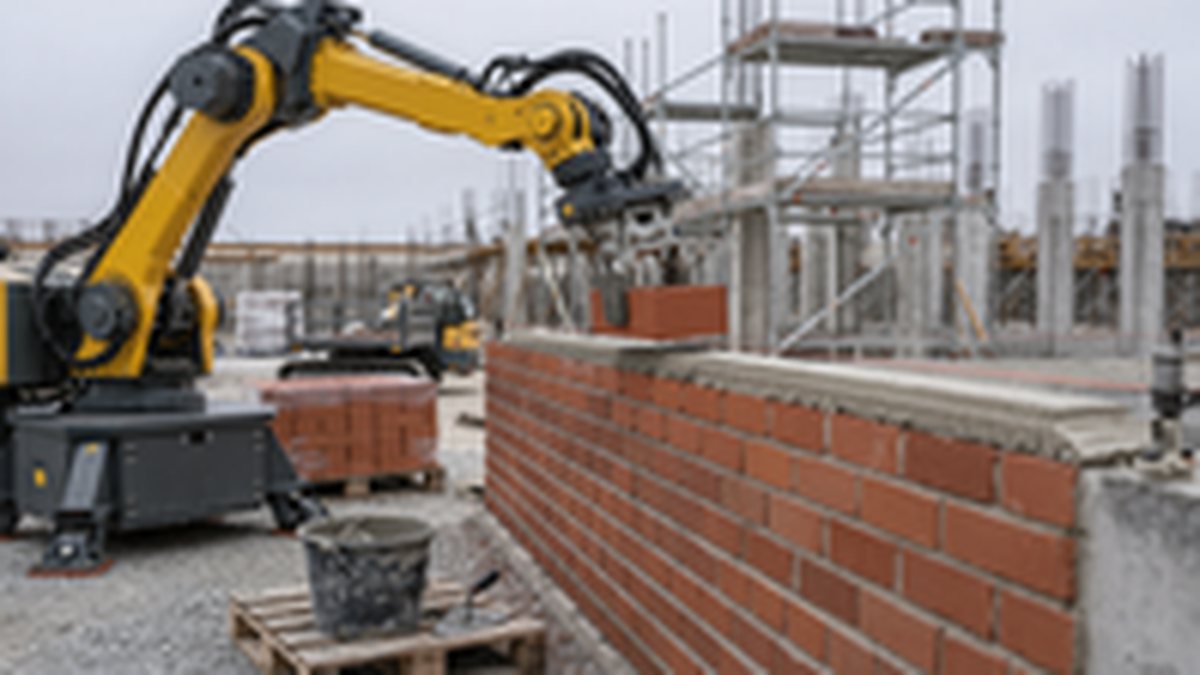
Technology · USA
An AI Copilot That Keeps Human Judgement in the Blueprint
MIT researchers have developed a system that acts as an AI copilot for engineers using topology optimization, an algorithmic method for designing structures, according to MIT News. As the algorithm generates a structure, it flags sections for the human designer to review and comment on, keeping people in the loop, and in tests the approach produced designs that were simpler to fabricate and more resistant to buckling while adding only about 15 seconds compared with fully automated methods.
The headline detail is not the automation but the restraint. Rather than handing over the design entirely, the system pauses to ask the human which choices make sense, a model of collaboration rather than replacement. That philosophy is precisely what the design professions have been hoping for from artificial intelligence.
The distinction between a design that is mathematically optimal and one that can actually be built well is enormous. An algorithm chasing pure efficiency can produce forms that are elegant on screen but awkward, costly or fragile to fabricate. By inviting human judgement at key moments, the MIT approach bakes buildability into the result.
For architecture and interiors, the parallel is direct. These fields have long used software for layouts, lighting simulations and material estimates, and generative tools are now entering the picture. The lesson from this research is that the best outcomes come when technology accelerates the routine work and leaves the judgement, the sense of how people will feel in a space, to the designer.
A fifteen-second cost for a markedly better, more fabricable result is a trade almost any professional would take. It reframes the value of AI away from raw speed and towards quality, reliability and fewer expensive surprises at the construction stage. Faster is only useful if the output is genuinely better.
For homeowners and businesses, the practical reassurance is this: good design will remain a human conversation. Tools that keep the expert in the loop are far more trustworthy than those that promise to replace them, because a home or workplace is ultimately about lived experience, not just structural efficiency.
Aaditya Interior welcomes technology that sharpens craft rather than flattening it. A copilot that generates options while the designer steers toward comfort, context and character is exactly the kind of partnership that can raise standards across the industry without losing the human touch that makes a space worth living in.
References & further reading
This is an original article by the Aaditya Interior design desk, written around publicly reported facts. Full reporting and any copyright remain with the sources above.
More in today's edition

Architecture · Sydney, Australia
Steel Lattice Skin Gives Sydney's New Powerhouse Museum Both Face and Frame
The new Powerhouse Parramatta in western Sydney wears a steel exoskeleton that doubles as structure, freeing vast column-free galleries and aiming for net-zero carbon operation.
Read the full story →Architecture · Europe
A 1930s Citroen Garage in Brussels Reborn as a Vast Cultural Centre
Atelier Kanal has turned a restored 1933-34 Citroen complex on the Brussels canal into a 40,000-square-metre museum, keeping its glass-and-steel showroom and adding generous free public space.
Read the full story →
Interiors · Barcelona, Spain
From Washerwomen's Quarters to a House Full of Light in Barcelona
Raul Sanchez Architects has reworked a former washerwomen's house in Barcelona into a light-filled home, pairing historic bones with a pared-back contemporary interior.
Read the full story →