

The Daily Design Chronicle · Saturday, 28 November 2026
Sustainability · Global
Why a Climate Summit in Antalya Lands on the Drafting Table
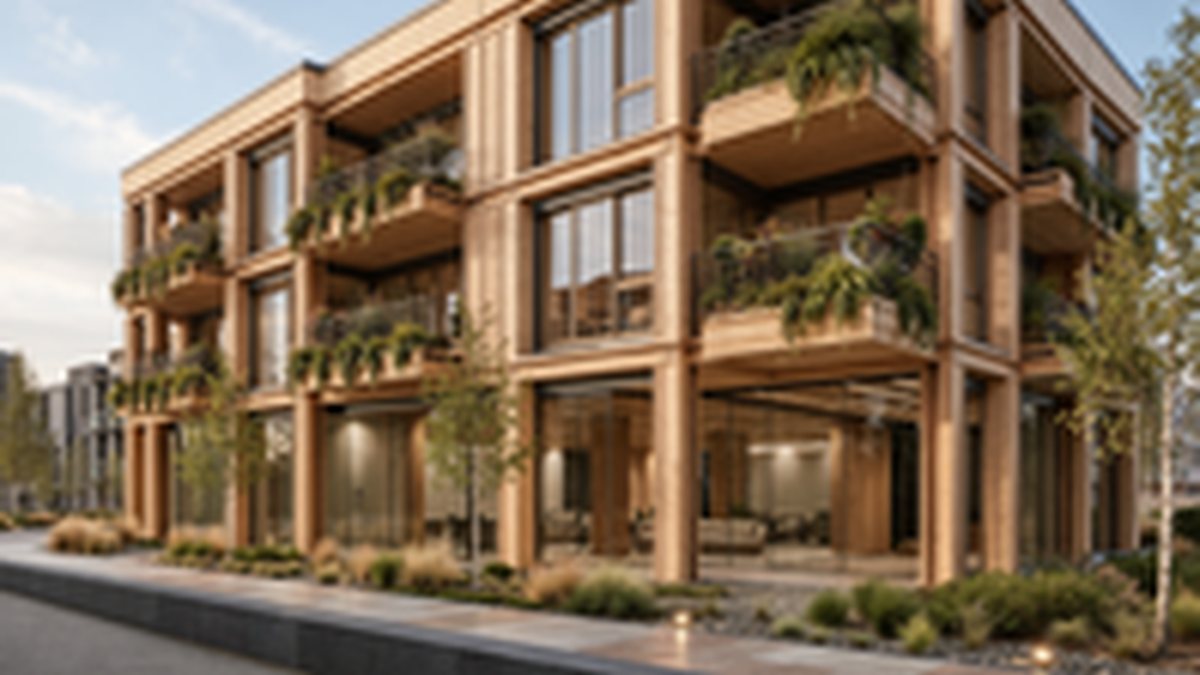
An analysis published by ArchDaily examines what the COP31 climate summit, held in Antalya, could mean for the built environment, looking at how the summit's outcomes may shape buildings and cities in the years ahead. The piece frames the gathering not as a distant diplomatic event but as one whose decisions eventually filter down into codes, materials and the way everyday spaces are made.
That framing is the heart of why the news matters to designers. Buildings and their construction account for a large share of global emissions, which means climate policy and architecture are bound together whether the profession likes it or not. Commitments made at a summit tend to reappear, years later, as tighter energy rules, embodied-carbon reporting and expectations that clients did not have before.
The signal to watch is the shift from operational to embodied carbon. For years the focus sat on how much energy a building consumes once occupied; the harder conversation now is about the carbon locked into its cement, steel, glass and transport before anyone moves in. Summits increasingly push that question forward, and it reshapes decisions right at the concept stage.
There is also a quieter theme about adaptation. A warming climate asks buildings not only to emit less but to cope with more, from extreme heat to heavier rain and water stress. That turns passive design, shading, natural ventilation, thermal mass and sensible orientation from aesthetic preferences into practical resilience, which is where good design has always been strongest.
For India, the stakes in such discussions are especially high, since rapid construction and a hot climate make both emissions and comfort pressing at once. The encouraging part is that much of the response is not exotic technology but the intelligent revival of regional wisdom about keeping interiors cool without heavy mechanical loads.
The practical takeaway for homeowners and businesses is that sustainability is drifting from an optional upgrade toward a baseline expectation. Specifying durable and lower-impact materials, designing for daylight and airflow, and planning for a longer building life are choices that read as foresight rather than compromise. Aaditya Interior treats such summits as a reminder that the most future-proof interiors are usually the most climate-aware ones.
Whatever the formal outcomes in Antalya, the direction of travel is clear enough to design by. Studios that absorb the logic now, rather than waiting for it to arrive as regulation, will find themselves handing clients buildings that are already ready for the rules still to come.
References & further reading
This is an original article by the Aaditya Interior design desk, written around publicly reported facts. Full reporting and any copyright remain with the sources above.
More in today's edition
Architecture · Rabat, Morocco
Zaha Hadid Architects' Theatre Royal de Rabat Comes to Life in New Photographs
The late Zaha Hadid's sculptural performing arts complex in the Moroccan capital, opened to the public in April 2026, is now documented in a fresh set of images by photographers Hufton+Crow.
Read the full story →Architecture · London, UK
A Historic Victorian Market Becomes London's Newest Museum Home
The institution once called the Museum of London reopens on 28 November inside the restored General Market at West Smithfield, in a transformation led by architecture practice Stanton Williams.
Read the full story →
Awards & Culture · India / USA
An Indian Campus Takes Top Honours at the World Architecture Festival 2026
Sanjay Puri Architects' Prestige University in Indore has been named World Building of the Year at the 2026 World Architecture Festival in Florida, a landmark moment for Indian design on the global stage.
Read the full story →