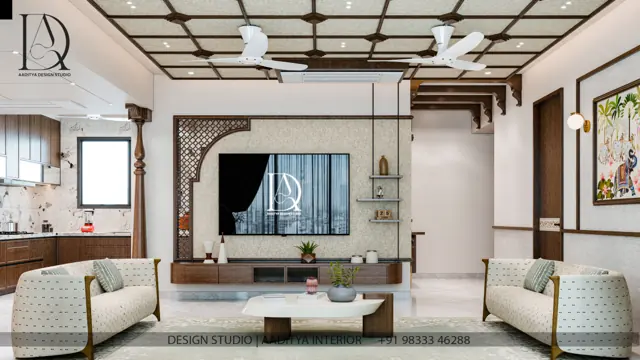
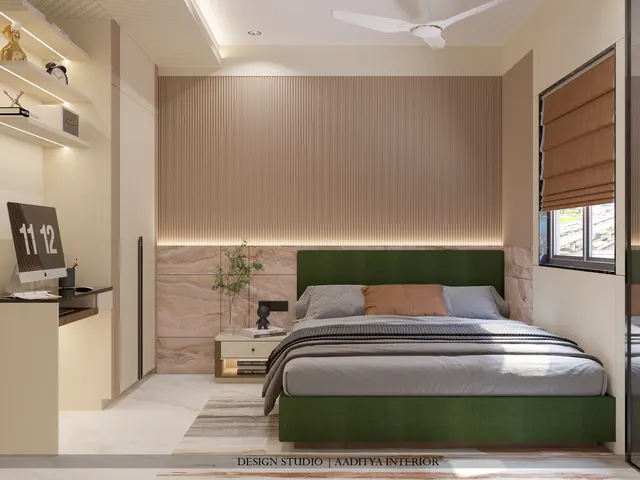
Coastal style is one of the most requested looks in Indian homes today — whitewashed walls, rattan and cane, light timber, blue and sand tones, indoor plants and a feeling of breeze and daylight. But on the actual coast, from Goa and the Konkan to Kerala, coastal Karnataka, Chennai and the Andhra shoreline, the style is not a mood board; it is a survival strategy. The sea delivers three relentless stresses — salt-laden air, high humidity and strong, moisture-heavy wind — and a home that ignores them looks tired within a year. Hinges seize, bright metalwork pits and streaks, timber swells and warps, paint blisters, and mould shadows the corners of the quietest rooms.
The mistake most often made is to buy the coastal look without the coastal engineering: fashionable black metal handles that rust, dark imported hardware that corrodes, dense hardwoods that trap moisture, and sealed, air-conditioned rooms with no cross ventilation to carry the damp away. The vernacular houses of the Indian coast solved these problems centuries ago with deep verandahs, sloping tiled roofs, high ceilings, louvred openings and lime-washed breathing walls. A good modern coastal home translates those lessons into today's materials rather than copying only the surface finishes.
This article treats the coastal home as a climate response first and an aesthetic second. It explains what salt air and humidity actually do, which materials and hardware resist them, how cross ventilation and shading keep a house dry and cool, and how the familiar coastal palette and textures sit on top of that sound base. Where prices appear they are indicative October 2026 ranges and should be confirmed locally before budgeting.
What the sea does to a house
Three forces define coastal building. The first is salt: fine airborne chloride settles on every surface, drawing moisture and driving the corrosion of ordinary steel and the pitting of cheap chrome and nickel finishes, often within months. The second is humidity: coastal relative humidity sits high for much of the year, so timber takes up moisture and swells, adhesives and veneers delaminate, cane and jute can rot, and mould finds any still, damp pocket of air. The third is wind-driven rain during the monsoon, which forces water into joints and reveals every weakness in a facade. Together they mean that a coastal home must either use materials that shrug off salt and water, or protect vulnerable materials behind coatings, overhangs and ventilation. There is no third option of hoping the climate will be gentle.
Materials that survive the coast
Material selection is where a coastal home is won or lost. For structure and joinery, the safe choices resist moisture inherently or are protected: BWP marine-grade plywood (IS 710) rather than ordinary board for any built-in near damp; teak, Burma teak and other naturally oily, durable timbers, well seasoned, rather than cheaper woods that swell; WPC and PVC for doors, frames and wet-area joinery that would destroy timber or MDF; and stone, terrazzo, vitrified tile and cement finishes for floors and surfaces that laugh at humidity. MDF, particle board and ordinary plywood are poor coastal choices and belong, if at all, only in fully dry, air-conditioned interior rooms. The table below ranks the common materials by how they cope with salt and moisture.
| Material | Coastal suitability | Why | Best use |
|---|---|---|---|
| BWP marine plywood (IS 710) | Excellent | Boil-proof glue resists moisture | All built-ins near damp |
| Teak and oily hardwoods | Excellent | Natural oils resist water and insects | Doors, windows, furniture |
| WPC and PVC | Excellent | Does not absorb water, no rot | Wet-area joinery, frames |
| Stone, terrazzo, vitrified tile | Excellent | Impervious, no swelling | Floors, counters, sills |
| Ordinary plywood (MR grade) | Poor | Glue fails in humidity | Dry rooms only, if at all |
| MDF and particle board | Very poor | Swells and crumbles when damp | Avoid on the coast |
Floors and surfaces deserve the same climate logic as the structure. Impervious materials — vitrified tile, natural stone, terrazzo, polished or sealed concrete — are the coastal default because they neither swell nor harbour the damp that feeds mould, and they wipe clean of the fine salt film that settles indoors near the sea. Where the warmth of timber is wanted underfoot, engineered or solid wood should be a durable species, properly sealed, and kept well away from wet areas and direct monsoon exposure; a timber-look vitrified plank often gives the appearance without the risk. Skirtings, door bottoms and the junctions where water collects are the first places to fail, so these details repay generous waterproofing and a material that does not mind getting wet. The guiding idea throughout is to let water land on surfaces that do not care, and to keep it away from the few that do.
Hardware and metal: the first thing to fail
Nothing betrays a coastal home faster than its hardware. Ordinary mild steel rusts; common chrome and nickel plating pits and streaks; and much of the fashionable dark metalwork sold today has thin coatings that corrode quickly in salt air. The metals that survive are marine-grade stainless steel (grade 316, which contains molybdenum for chloride resistance, rather than the cheaper 304), solid brass and bronze which weather gracefully, aluminium with a proper anodised or powder-coated finish, and good-quality powder-coated steel for railings and grilles. Hinges, handles, locks, tower bolts, curtain tracks and shower fittings should all be specified in these, because replacing corroded hardware across a whole house is both costly and disruptive. The small premium for grade 316 stainless on the coast is one of the best-value decisions in the entire project.
| Fitting | Coastal choice | Avoid |
|---|---|---|
| Hinges and handles | SS 316, solid brass | Mild steel, thin-plated dark metal |
| Railings and grilles | Anodised or powder-coated aluminium | Painted mild steel |
| Shower and taps | SS 316, quality brass body | Budget chrome on zinc |
| Door and window frames | WPC, PVC, anodised aluminium | Unprotected steel |
| Fasteners and screws | Stainless steel | Galvanised only, in splash zones |
| Curtain tracks | Anodised aluminium | Plated steel |
Ventilation and shading: the real coastal engine
If one principle defines the traditional coastal house, it is that air must move. Cross ventilation — openings on opposite or adjacent walls so breeze passes through a room rather than stalling — carries humidity and heat out before they can settle into damp and mould. High ceilings let hot, moist air rise above the living zone, and a ridge vent, clerestory or high louvre lets it escape. Deep verandahs and wide roof overhangs shade the walls from direct sun and keep monsoon rain off the facade, while louvred shutters and jaalis let air through even when rain or privacy means the solid shutter is closed. An air-conditioned coastal home still needs this: the moment the machine is off, a sealed room becomes a damp box, so operable louvred openings and good natural flow remain essential as a backup and for the many mild days when cooling is unnecessary.
| Device | What it does | Typical dimension |
|---|---|---|
| Roof overhang / chajja | Shades wall, sheds monsoon rain | 600–900 mm projection |
| Verandah | Buffer against sun and rain | 1,500–2,400 mm deep |
| High ceiling | Lets hot moist air rise | 3,000–3,600 mm |
| Louvred shutter | Air through with rain or privacy out | Adjustable 45° blades |
| Clerestory / ridge vent | Exhausts rising humid air | Near the roof ridge |
| Cross openings | Through-flow of breeze | On two sides of each room |
Wet areas, kitchens and the coastal balcony
The parts of a coastal home that fail first are the ones that combine moisture from inside with salt and humidity from outside: the bathrooms, the kitchen and any semi-open balcony or utility. In bathrooms, every fitting should be chosen for the climate — grade 316 stainless or good brass taps and shower arms, WPC or marine-ply vanity carcasses rather than MDF, fully vitrified or stone surfaces, and a powerful exhaust fan that is actually used, because a sealed coastal bathroom breeds mould within weeks. Waterproofing must be done properly and taken up the walls, and the floor laid to a clear fall so water drains rather than stands. These are ordinary good-practice measures everywhere, but on the coast they move from desirable to essential, because the margin for error that a dry-climate home enjoys simply does not exist.
The kitchen asks the same questions in a harsher form, since it adds heat, steam and grease to the salt and humidity. Shutter cores should be moisture-resistant — BWP marine ply or WPC for the carcass, with laminate or a robust finish on the fronts rather than veneers that lift at the edges in damp air. Hardware takes a beating here, so hinges, channels and baskets in stainless steel repay their cost many times over against cheaper plated items that seize and stain. A chimney and good cross ventilation clear the steam before it settles, and a window that opens keeps the room dry when the stove is off. Counters in granite, quartz or other stone shrug off both water and the coastal air, which is why they remain the sensible default on the coast.
The balcony, verandah and utility are the frontier where the coastal house meets the weather directly, and they are best detailed as semi-outdoor spaces rather than treated like indoor rooms. Flooring should be anti-skid vitrified or natural stone that tolerates rain blowing in; railings and grilles in anodised or powder-coated aluminium, or stainless steel, rather than painted mild steel that will streak rust down the wall within a season; and any timber used here should be a durable, oily species, oiled regularly, or a weatherproof synthetic. Fabrics and cushions for outdoor furniture should be the quick-drying, fade-resistant kind, and electrical points must be weather-rated and properly earthed. Planned this way, the coastal home's wet and open edges become its most enjoyable spaces — the verandah that catches the sea breeze, the balcony that watches the monsoon — rather than the places where its maintenance problems begin.
The coastal look, built on the climate base
With the climate handled, the familiar coastal aesthetic falls into place honestly rather than as a veneer. The palette is light and reflective — whites, off-whites, sand, pale greys, and the blues and greens of sea and sky as accents — which keeps interiors bright, cool-looking and forgiving of salt haze. Textures are natural and relaxed: lime-washed or breathable mineral-painted walls, light timber, rattan and cane (used indoors and kept dry, since cane rots in constant damp), cotton and linen in loose weaves, terracotta and terrazzo underfoot. Planting — palms, ferns and other humidity-loving greens — ties the interior to the coastal landscape. The key is that each of these choices also makes climatic sense: light colours reflect heat, natural fibres breathe, and open, airy layouts aid ventilation. The look and the engineering are the same decisions seen from two sides.
| Element | Coastal choice | Climate benefit |
|---|---|---|
| Wall colour | White, sand, pale grey | Reflects heat, hides salt haze |
| Accent colour | Sea blue, green, coral | Evokes setting, used sparingly |
| Wall finish | Lime wash, breathable mineral paint | Wall breathes, resists blistering |
| Flooring | Terracotta, terrazzo, light timber-look tile | Impervious, cool, low upkeep |
| Furniture | Teak, cane, rattan (kept dry) | Durable, light, airy |
| Textiles | Cotton, linen, loose weaves | Breathable, quick-drying |
Maintenance, upkeep and where coastal design is going
It helps, too, to think of a coastal house in terms of exposure zones, because not every part of the home faces the same assault. The seaward facade and the open balconies take the full force of the salt wind and driving rain, and they justify the most robust materials and finishes; rooms set deeper into the plan, sheltered behind verandahs and other rooms, enjoy a gentler environment where a wider palette of materials is safe. A sensible design concentrates its corrosion-resistant hardware, impervious surfaces and breathable finishes on the exposed zones and spends more freely on comfort and finer finishes in the protected core. This graded approach, borrowed directly from the vernacular house with its deep verandah buffering the rooms behind, keeps both the budget and the maintenance effort focused where the climate actually bites.
A coastal home is never fully fit-and-forget; it rewards a light, regular routine. Hardware benefits from an occasional wipe to clear settled salt, timber from periodic oiling or polishing, and external metalwork from a re-coat every few years before corrosion starts rather than after. Ventilation habits matter too — airing rooms, running exhausts in bathrooms and kitchens, and not sealing a house shut for weeks in the monsoon. Looking ahead, coastal design in India is moving towards engineered moisture-resistant materials (better WPC, fibre-cement boards, treated and modified timbers), smart dehumidification in high-humidity pockets, and a revival of passive vernacular wisdom — verandahs, courtyards and louvres — now validated by building-science and comfort research. The direction is not away from the traditional coastal house but back towards its logic, built in materials that last longer. Aaditya Interior approaches coastal projects by fixing the climate response first and letting the recognisable coastal style follow from it.
Rules for a coastal home that lasts
- Design for salt, humidity and wind-driven rain first; choose the look afterwards.
- Use BWP marine plywood, teak, WPC, stone and tile; keep MDF and ordinary board out of damp zones.
- Specify grade 316 stainless, solid brass or properly coated aluminium for all hardware near the sea.
- Avoid fashionable thin-coated dark metalwork, which is the most common early failure on the coast.
- Plan cross ventilation into every room, with openings on two sides and a high vent to exhaust damp air.
- Shade walls with deep overhangs and verandahs, and keep monsoon rain off the facade.
- Finish masonry with breathable lime or mineral paint rather than sealing moisture behind plastic films.
- Keep a light upkeep routine: wipe salt off hardware, oil timber, and re-coat external metal before it corrodes.
Frequently asked questions
What is coastal style in interior design?
Coastal style is a light, airy look built around whites and sand tones, sea-blue and green accents, natural materials like timber, cane and rattan, and open, well-lit rooms that feel connected to the sea and sky. On the actual coast it is also a climate strategy of ventilation, shading and corrosion-resistant materials, not only a decorative theme.
What materials are best for a home near the sea?
Choose materials that resist moisture and salt: BWP marine plywood (IS 710), teak and other oily hardwoods, WPC and PVC for wet-area joinery, and stone, terrazzo and vitrified tile for surfaces. Avoid MDF, particle board and ordinary plywood in any damp area. For hardware, use grade 316 stainless steel, solid brass or properly coated aluminium.
Why does hardware rust so quickly near the coast?
Salt-laden air settles on metal and draws moisture, accelerating corrosion. Ordinary mild steel rusts and common chrome or nickel plating pits and streaks within months. Grade 316 stainless steel, which resists chlorides, along with solid brass and well-coated aluminium, survives far better and is worth the modest premium near the sea.
How do I stop damp and mould in a coastal house?
Keep air moving. Cross ventilation on two sides of each room, high ceilings with a vent for rising humid air, deep overhangs to shade walls, and breathable lime or mineral wall finishes all help carry moisture away. Run bathroom and kitchen exhausts, air rooms regularly, and avoid sealing an air-conditioned house shut for long periods in the monsoon.
Can I use rattan and cane in a coastal home?
Yes, indoors and kept dry, where they suit the relaxed coastal look. Constant damp, however, rots natural cane, so keep rattan away from wet areas and direct monsoon exposure, air it, and consider weatherproof synthetic rattan for any semi-outdoor or verandah furniture.
Sources & standards
- National Building Code of India 2016, Part 8 (Building Services) and Part 11 (Approach to Sustainability) — ventilation, moisture and climate-responsive design
- Bureau of Indian Standards — IS 710 (marine plywood), IS 1477 (painting of metals), IS 4759 (hot-dip galvanised coatings) for corrosion protection
- Indian Standard grades for stainless steel — austenitic 304 and 316 (chloride-resistant) finishes, described generically
- Energy Conservation Building Code (ECBC) and GRIHA — passive shading, ventilation and envelope guidance for warm-humid climates
- Traditional coastal vernacular of Goa, the Konkan and Kerala — verandahs, tiled roofs, louvres and lime finishes as climate responses (general reference)
- Price ranges: indicative October 2026 estimates — confirm locally before budgeting