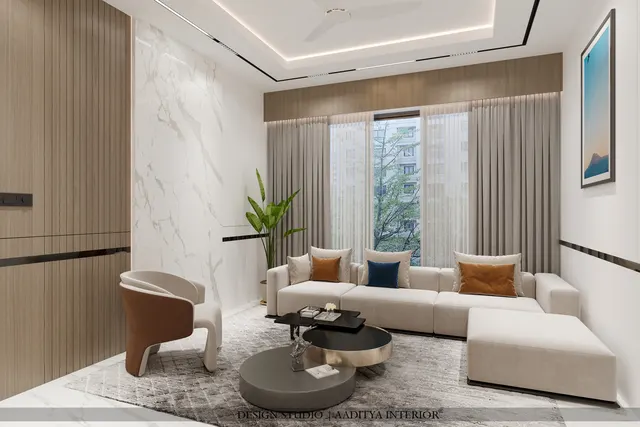
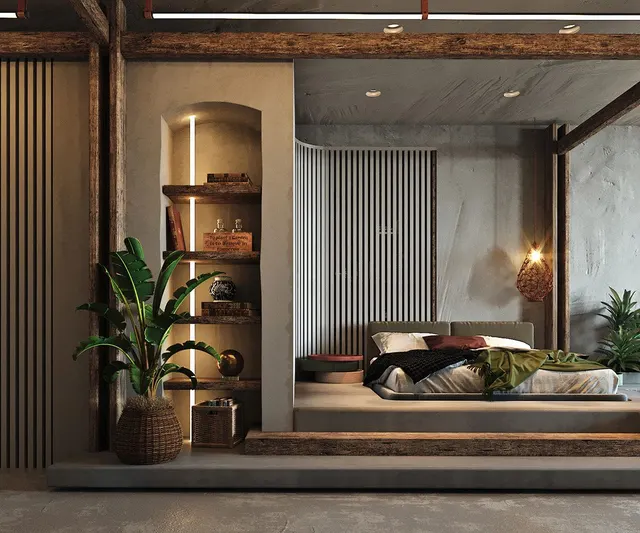
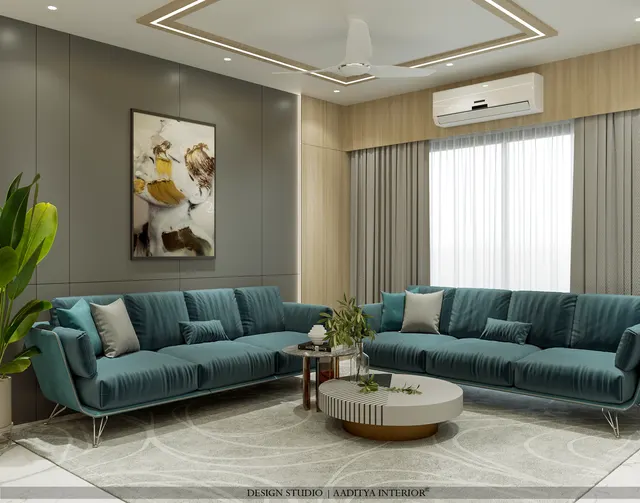
Buying a new home in India usually exhausts the budget long before the furniture arrives. The down payment, stamp duty and registration, the loan processing fee, the interior contract, the modular kitchen and the shifting costs all come first, and the furniture is planned in whatever money and energy remain. The result is familiar: a beautiful fitted interior with a borrowed plastic table in the dining area, a sofa bought in a hurry during a festival sale that does not fit the lift, or mattresses that cost more than the beds they sit on because nobody budgeted for them.
Furniture planning goes wrong in a few predictable ways. The interior quotation and the furniture list overlap, so a bed is paid for twice, or fall apart, so a dresser is paid for by nobody. Everything is bought in one weekend and the room fills up before anyone has lived in it. Pieces are chosen from photographs without measuring the room, the door or the lift. And the money is spread evenly across every item rather than spent where the family will sit, sleep and eat every day.
This guide gives a method rather than a shopping list: how to separate fitted interiors from loose furniture, how much a 2BHK or 3BHK typically needs, what each major item costs at basic, mid-range and premium levels in October 2026, what to buy first and what can wait, and how to make sure it all fits. Its prices are kept consistent with the sofa, bedroom, wardrobe, dining and kids room guides elsewhere on this site, and all figures are indicative ranges to be confirmed locally.
How Indian homes came to need so much furniture
For most of history, Indian homes were lightly furnished. Families sat on the floor on durries and mattresses, ate seated on the floor, slept on charpais and folding bedding, and kept clothes in trunks, niches and wall cupboards. A takht or a diwan, a swing in the courtyard or verandah and a few low stools served for sitting. Furniture in the European sense — sofas, dining tables, dressing tables — came with colonial bungalows and the growing professional class, and spread through the twentieth century with the steel almirah, the wooden double bed and the sofa set bought for a new household.
Two changes since then have shaped the modern furniture budget. Flats replaced independent houses in most cities, so furniture now has to fit through standard doors and small lifts and into rooms of fixed size. And built-in carpentry took over storage: wardrobes, TV units, crockery units and kitchens are now usually made on site or as modular units within the interior contract, while the loose furniture — sofas, dining sets, mattresses, chairs, tables — is bought separately from shops, factories and online sellers. The line between those two worlds is where most budgets leak.
| Era | Typical household furniture | What it means for today's budget |
|---|---|---|
| Traditional homes | Durries, floor mattresses, charpai, takht, trunks, wall niches | Floor seating and multipurpose pieces still save money and space |
| Colonial and early 20th century | Planter's chairs, four-poster beds, dining tables, almirahs | Introduced the room-by-room furniture set |
| Mid to late 20th century | Steel almirah, double bed, sofa set, dining set | The 'set' mindset — buying everything matching, at once |
| 1990s–2010s | Carpenter-built wardrobes and beds, ready-made sofas | Fitted and loose furniture began to overlap in quotes |
| 2010s–2020s | Modular kitchens and wardrobes, online furniture brands | More choice; more need to check sizes, delivery and warranty |
Step one: separate fitted, loose and soft
Every home's furniture budget has three layers, and they must be listed separately before any money is spent. Fitted interiors are built in or fixed: modular kitchen, wardrobes, TV and crockery units, shoe units, study units fixed to the wall, false ceilings and lighting. These belong in the interior contract. Loose furniture can be carried out of the house: sofas, armchairs, coffee and side tables, dining tables and chairs, beds if bought ready-made, mattresses, study chairs, consoles and outdoor furniture. Soft furnishings are curtains, blinds, rugs, cushions, bed linen and decorative items. Appliances — refrigerator, washing machine, televisions, air-conditioners — are a fourth list that this article leaves out, but must not be forgotten.
The danger zones are the items that can be either fitted or loose. Beds are the clearest case: a carpenter-built storage bed is often in the interior quote, a ready-made bed is not. The same applies to dressing tables, study desks, bedside tables, shoe racks and the bench in the foyer. Curtains appear in some interior quotations and not in others. Write down, room by room, which list each item sits in, and make sure the interior quotation states clearly what it excludes. Comparing a quotation that includes beds and curtains with one that does not is the commonest way families think they are saving money when they are not.
How much to budget: 1BHK, 2BHK and 3BHK
Once fitted and loose items are separated, the loose furniture budget becomes predictable. For a typical 3BHK, the interior guides on this site place loose furniture at about ₹1.5–5 lakh or more on top of a mid-range fitted interior of about ₹15.5–22.5 lakh; for a mid-range 2BHK in Surat, they allow about ₹2 lakh. That is roughly one-tenth to one-fifth of the fitted interior, which is a useful sense-check: if the loose furniture list is heading towards half the interior budget, the specification is premium; if it is under one-twentieth, the home will probably feel unfinished.
| Home | Basic (₹) | Mid-range (₹) | Premium (₹) | Main items assumed |
|---|---|---|---|---|
| 1BHK | ≈ 0.6–1.2 lakh | ≈ 1.2–2.5 lakh | ≈ 3 lakh+ | Sofa or sofa cum bed, 4-seater dining, one mattress, a study chair |
| 2BHK | ≈ 1–1.8 lakh | ≈ 2–3.5 lakh | ≈ 4 lakh+ | Sofa set, coffee table, 4–6 seater dining, two mattresses, one chair |
| 3BHK | ≈ 1.5–2.5 lakh | ≈ 2.5–5 lakh | ≈ 5 lakh+ | Sofa set, armchair, tables, 6-seater dining, three mattresses, study chair |
| 4BHK or villa | ≈ 2.5–4 lakh | ≈ 5–9 lakh | ≈ 10 lakh+ | Formal and family living, 6–8 seater dining, four mattresses, outdoor seating |
These bands assume that beds and wardrobes are carpenter-built or modular within the interior contract, as is usual in Indian flats. If beds are bought ready-made instead, add the bed prices from the table below; if curtains are not in the interior quotation, add them to the soft furnishings list. They exclude appliances, air-conditioners, art and GST, and they move with the city, the brand and the season.
Item by item: indicative October 2026 prices
The single most useful thing a family can do is write a price band against every item before shopping. The table below collects the indicative October 2026 bands used across this site — sofas and living-room tables from the living-room cost guide, beds from the bedroom guide, wardrobes and crockery units from the wardrobe and dining guides, chairs from the study and kids room guides — with mattresses and dining sets added. Each band is wide because the same item can be made from very different materials. Within a band, construction quality usually matters more than the brand name.
| Item | Basic | Mid-range | Premium | What changes the price |
|---|---|---|---|---|
| Sofa set — 3-seater with two singles, or L-shaped | ₹30,000–60,000 | ₹60,000–1,20,000 | ₹2 lakh+ | Frame timber, foam density, springs, fabric or leather |
| Coffee table | ₹8,000–20,000 | ₹15,000–40,000 | ₹60,000–1,50,000+ | Solid wood, stone or glass top, metal base |
| Armchair or accent chair | ₹15,000–25,000 | ₹25,000–45,000 | Up to ₹60,000+ | Frame, upholstery, recliner mechanism |
| Double bed with storage and two side tables (carpenter or modular) | ₹30,000–45,000 | ₹60,000–90,000 | ₹1.25 lakh+ | Board grade, hydraulic lift, upholstered headboard, veneer |
| Mattress, queen or king | ₹8,000–18,000 | ₹18,000–45,000 | ₹50,000–1,50,000+ | Foam, coir, pocket springs, latex; thickness; warranty |
| Mattress, single | ₹5,000–10,000 | ₹10,000–20,000 | ₹25,000+ | As above |
| Dining set, 6-seater | ₹25,000–50,000 | ₹50,000–1,20,000 | ₹1.5–4 lakh+ | Engineered or solid wood, stone top, upholstered chairs |
| Dining set, 4-seater | ₹15,000–30,000 | ₹30,000–70,000 | ₹1 lakh+ | As above |
| Ergonomic study chair | ₹6,000–10,000 | ₹10,000–15,000 | ₹15,000–20,000+ | Adjustability, lumbar support, mesh, warranty |
| Wardrobe (fitted, per sq ft of elevation) | ₹750–1,200 | ₹1,200–2,200 | ₹2,200–3,500 | Hinged ₹1,200–1,800; sliding ₹1,800–3,000 |
Mattresses deserve a specific mention because they are so often left out. A family moving into a 3BHK needs at least three, and at mid-range prices they can add up to almost as much as the sofa. They are also the item most worth buying well: the family spends about a third of its life on them. Choose firmness by trying, not by catalogue, check the warranty terms, and match the mattress size to the bed — Indian beds are commonly made for 72 × 60 in (queen) or 78 × 72 in (king) mattresses, and a carpenter-built bed should be drawn around the actual mattress size.
Measure before buying: rooms, doors and lifts
Furniture that does not fit is the most expensive mistake in this guide, because it is paid for twice — once to buy it and once in the loss on returning or reselling it. Every large piece must pass three tests: it must fit the room with clearances around it, it must pass through the delivery route, and it must suit the way the room is used. Sofas, dining tables, king beds and large wardrobes fail most often. The dimensions below are the planning figures used across this site's dimension guides.
The delivery route is the second test, and in flats it is usually the harder one. Measure the clear width of the main door (commonly about 900 mm in Indian apartments, sometimes less), the clear width and height of the lift door, the lift car's internal size and depth, the width of the staircase and its landings, and any tight turns in the corridor. A sofa is usually carried on its side or end, so the critical dimension is its depth and height, not its length. Ask the seller for the packed dimensions and whether the back or legs come off. Corner and L-shaped sofas usually come in sections; check each section against the lift, not the whole sofa.
| Check | What to measure | Typical figure in Indian flats | Why |
|---|---|---|---|
| Main door | Clear width with the shutter open | ≈ 900 mm, sometimes 800–850 mm | Sofa depth and dining tops must pass |
| Bedroom and bathroom doors | Clear width | ≈ 750–900 mm | Mattresses and bed panels |
| Lift door | Clear width and height | Varies widely — measure | Tall wardrobes, sofas on end |
| Lift car | Internal width, depth, height and diagonal | Varies — measure | Long items go in diagonally or on end |
| Staircase and landings | Width and landing turn | Varies — the landing is usually the tightest | Large items in walk-up buildings |
| Room | Wall lengths, window and door positions, sockets | From the plan, verified on site | Placement and clearances |
What to buy first, and what can wait
A new home does not need to be fully furnished on the day of moving in, and it usually turns out better if it is not. Families discover how they actually use rooms only after living in them for a few weeks: where the afternoon sun falls, where the children do homework, whether guests sit in the living room or the dining area. Buying in phases spreads the cost, lets the home settle, and leaves room for a special piece found later. The priority is simple: first the things the family needs to sleep, sit, eat and store; then comfort and work; then the finishing pieces.
| Phase | When | Items | Share of loose budget (suggested) |
|---|---|---|---|
| 1 — Live | Before or at move-in | Mattresses, beds if not fitted, main sofa, dining set, curtains, a work chair | ≈ 55–65 % |
| 2 — Settle | First 3–12 months | Coffee and side tables, armchair, rugs, foyer console or shoe bench, children's desks | ≈ 25–30 % |
| 3 — Finish | 12–24 months | Statement lighting, art, balcony furniture, jhula, upgrades | ≈ 10–15 % |
| Reserve | Throughout | Delivery, assembly, small extras, mistakes | ≈ 5–10 % held back |
Ready-made, carpenter-built, custom or online?
The same sofa or dining set can be bought in four very different ways, and each suits a different family. Ready-made pieces from furniture shops and showrooms can be seen, sat on and delivered quickly. Carpenter-built pieces, usually made at the site or a local workshop, fit the space exactly and match the fitted joinery, but their quality depends entirely on the carpenter and the drawing. Custom pieces from a design studio or a specialist maker give the most control and the highest prices. Online brands offer wide choice and frequent discounts, but the buyer must check dimensions, materials, return terms and the cost of assembly carefully.
| Route | Best for | Strengths | Risks | Price position |
|---|---|---|---|---|
| Showroom / ready-made | Sofas, dining sets, mattresses | Try before buying; quick delivery | Sizes fixed; showroom lighting flatters | Basic to premium |
| Carpenter-built (site or workshop) | Beds, study units, consoles matching joinery | Exact fit, matching finishes | Quality depends on drawing and supervision | Basic to mid |
| Custom (studio or specialist maker) | Statement sofas, dining tables, bespoke chairs | Design control; better materials | Lead time 4–10 weeks; deposits | Mid to premium |
| Online brands | Chairs, tables, mattresses, sofas | Wide choice, offers, home trials for some items | Fit and feel unseen; returns can be costly | Basic to mid |
| Second-hand and rental | Short stays, first year in a new city | Low upfront cost | Condition, hygiene, rental fees over time | Lowest upfront |
What actually drives quality
Within each band, a few hidden choices decide whether a piece lasts five years or fifteen. For sofas: the frame (seasoned hardwood or good plywood rather than particle board), the seat foam density and whether there are springs or webbing below, and fabric that is rated for heavy domestic use. For beds and storage furniture: the board grade — BWR plywood rather than particle board for structural parts — and the hardware. For dining sets: the joinery of the chairs, which take the most abuse in the home. For mattresses: the core material and the warranty terms. Ask the seller to show a cut-away or the specification sheet, and compare warranties in writing.
The hidden costs that break furniture budgets
The price on the tag is rarely the price paid. Delivery to an upper floor, especially without a suitable lift, can add a noticeable charge; some online sellers charge separately for assembly or installation; and returns of large items often carry a fee or require the original packing. GST applies to most furniture and mattresses, so compare prices on the same basis — inclusive or exclusive. Protection is the last hidden cost: fabric protection, glass tops for wooden dining tables, felt pads under chair legs, and furniture covers during any later painting or civil work. Budget about 5–10 per cent of the loose-furniture total for these extras.
| Hidden cost | Typical trigger | How to control it |
|---|---|---|
| Upper-floor delivery | No lift, small lift, staircase carry | Ask for the all-inclusive delivered price in writing |
| Assembly and installation | Flat-pack and online furniture | Check whether assembly is free, paid or do-it-yourself |
| Returns and exchanges | Wrong size, wrong colour | Measure first; keep packing until checked; read return terms |
| GST | Prices quoted excluding tax | Compare inclusive prices; keep the tax invoice for warranty |
| Protection | Children, pets, later painting work | Washable covers, felt pads, glass tops, covers during works |
| Matching items found later | Dining chairs, side tables | Buy enough at once when the item is discontinued quickly |
Where furniture buying is going
Indian furniture buying is moving in three directions. More of it happens online, with better product photography, augmented-reality previews and published dimensions — useful tools, provided the measurements are still checked on site. More pieces are modular and flat-packed, which helps delivery in high-rise flats but makes assembly quality important. And more families are asking where and how furniture is made: solid wood from managed sources, low-emission boards and finishes, repairable designs and local makers. Rental and resale markets are also growing in large cities, which suits the first year in a new city. None of this changes the basic method: list, measure, prioritise, phase and keep a reserve.
Rules for planning a furniture budget
- List every item room by room and mark it fitted, loose or soft furnishing; make sure nothing is in two lists and nothing is in none.
- Set the loose-furniture budget at roughly one-tenth to one-fifth of the fitted interior for a mid-range home, and adjust for the specification.
- Put a price band against each item before shopping, using basic, mid-range or premium consistently across the home.
- Spend most where the family sits and sleeps every day: mattresses, the main sofa and the dining chairs.
- Measure the room, the main door, the lift and the stair landings, and compare them with the seller's packed dimensions before ordering.
- Buy in phases: sleep, sit, eat and store first; tables, rugs and reading chairs after a few months; finishing pieces later.
- Keep 5–10 per cent of the loose-furniture budget in reserve for delivery, assembly, protection and small changes.
- Get specifications and warranties in writing — frame, foam, board grade, mattress core — and keep the tax invoice.
Frequently asked questions
How much does it cost to furnish a 2BHK in India?
Loose furniture for a 2BHK — sofa set, coffee table, dining set, two mattresses and a chair — typically costs about ₹1–1.8 lakh at basic level, ₹2–3.5 lakh mid-range and ₹4 lakh or more premium (indicative October 2026). Fitted interiors such as the kitchen and wardrobes are separate and cost much more.
What furniture should I buy first for a new home?
Buy what the family needs to sleep, sit, eat and store: mattresses and beds, the main sofa, the dining table and chairs, curtains for privacy, and a proper chair for anyone working from home. Coffee tables, rugs, armchairs and decorative pieces can wait a few months until the way the rooms are used is clear.
Is it cheaper to get furniture made by a carpenter?
For beds, study units and consoles that must match fitted joinery, a carpenter can be good value, provided the board grade, hardware and finish are specified and the work is supervised. For sofas and mattresses, specialist makers usually do better, because foam, springs and upholstery need factory processes and warranties.
How do I know if a sofa will fit through my door?
Compare the sofa's depth and height — the dimensions that pass through a door when it is carried on its side — with the clear width of the main door, usually about 900 mm, the lift door and the lift car. Ask the seller for packed dimensions and whether legs, arms or back come off. Check L-shaped sofas section by section.
Should I buy all furniture at once in a sale?
Not usually. Sales help on items already planned, measured and priced, but buying everything at once often leads to pieces that do not suit the rooms. Use a phased list and buy the planned items when prices are good.
Sources & standards
- Neufert, Architects' Data — furniture dimensions and clearances for living, dining and sleeping areas
- Time-Saver Standards for Interior Design and Space Planning — furniture sizes and circulation clearances
- Bureau of Indian Standards — IS 303 (plywood for general purposes) and IS 12406 (medium density fibreboard) for furniture board grades
- National Building Code of India 2016, Part 3 (General building requirements — door and room sizes) and Part 8 (lifts, building services)
- Consumer Protection Act, 2019 (India) — general consumer rights on defects, warranties and returns (general information, not legal advice)
- Aaditya Interior cost guides on this site — living room, bedroom, wardrobe, dining and kids room price bands (October 2026)
- Price ranges: indicative October 2026 estimates — confirm locally before budgeting